How to name your business, step by step
A good business name is short, easy to say, easy to spell and free to use in your state. Here is a ten-step method to find yours, with names from real websites we built.
Your business name is the first thing people hear, the word they type into Google and the line at the top of your website. A good one is short, easy to say, easy to spell and free to use in your state. This lesson walks you through a ten-step method to find yours, with names from real websites we built for small businesses.
What makes a good business name
There is no perfect name, but good names share a few traits. Use this list to judge every idea you write down.
- Short. One to three words, ideally under 15 letters. Short names fit on a sign, a phone screen and a web address.
- Easy to say. If you have to explain how to pronounce it, people will hesitate to recommend you.
- Easy to spell. Someone who hears it once should be able to type it into a browser without help.
- Memorable. A name with an image or a feeling behind it sticks better than a row of generic words.
- Right for your customers. A law firm and a skate shop should not sound alike. The name should match the promise you make.
- Room to grow. A name tied to one product or one street can feel small when you add services or move.
- Available. You need to be able to register it in your state, buy a matching web address and use it without stepping on a trademark.
The five kinds of business names
Most business names fall into one of five groups. Knowing them helps you brainstorm on purpose instead of waiting for inspiration.
1. Descriptive names
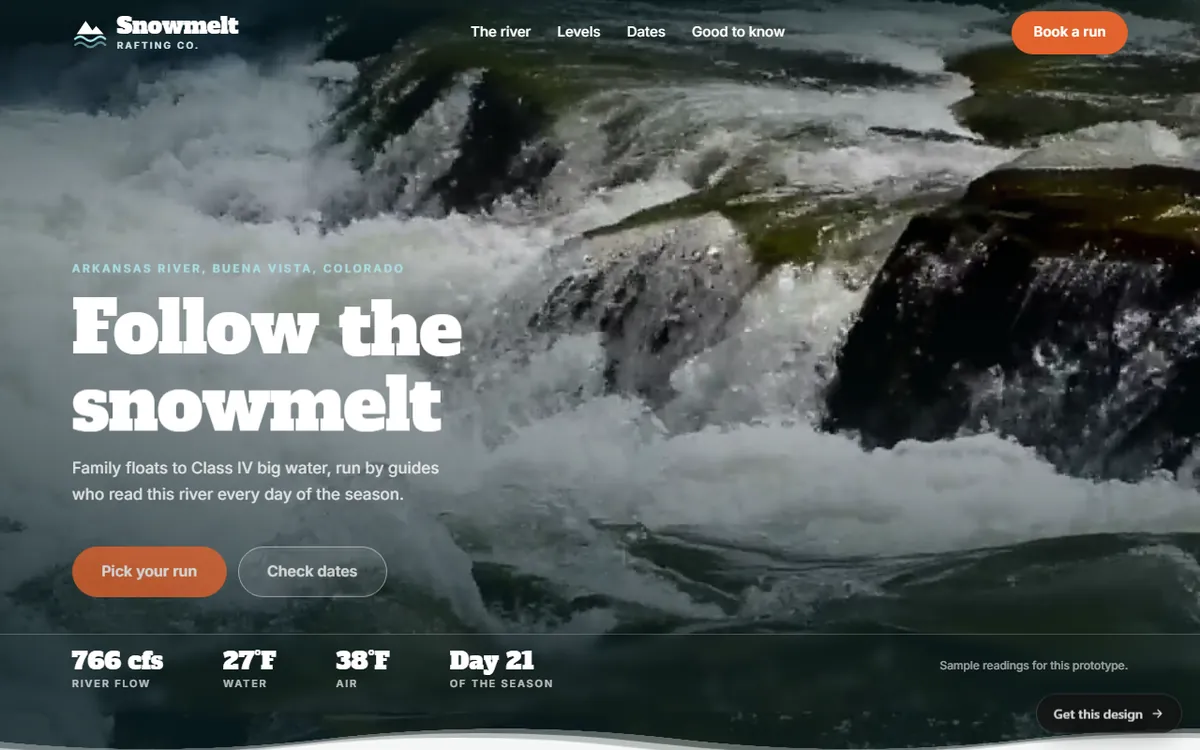
A descriptive name says what you do. Snowmelt Rafting Co. tells you the activity before you read another word, and Highway Roast leaves little doubt about the coffee. Descriptive names are easy to understand and help a little with local searches. Their weak point is that they are harder to protect, because the words are common, and they can feel generic next to competitors who chose the same words.
2. Suggestive names
A suggestive name hints at a feeling or a benefit without spelling it out. Lodestar, a dark sky lodge, borrows the old word for a guiding star. Stillroom, a premium dispensary, suggests a calm, private space. Heyday, a bicycle maker, promises your best days. These names are memorable and easier to protect than descriptive ones, but they need a website, a logo and a line of text that make the meaning clear.

3. Invented names
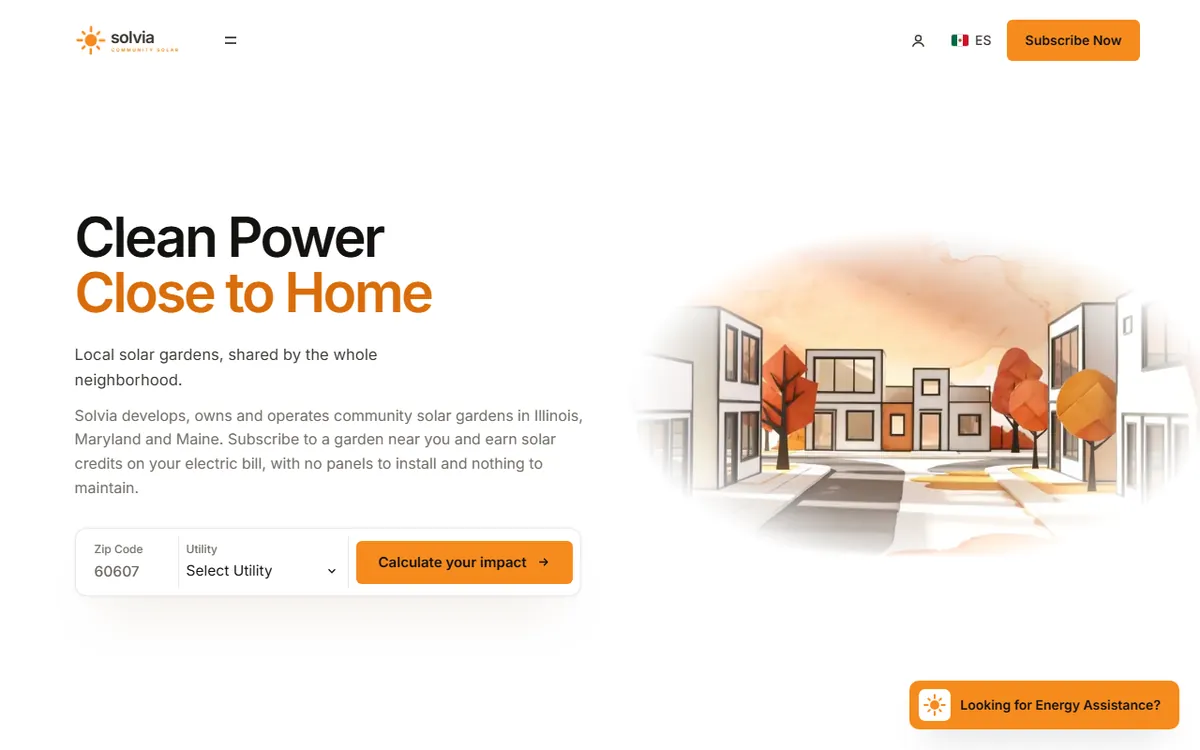
An invented name is a new word. Solvia, a community solar company, blends the sound of sol, the sun, with an easy ending. Heliora and Norvane, two energy brands, follow the same idea. Invented names are the easiest to register and to find as a web address, and they can grow with any product. The cost is that they mean nothing at first: you have to teach people what the word stands for, so your website and your first lines of copy matter even more.
4. Founder names
Many service businesses use the name of the person behind them: real estate agents, lawyers, photographers and consultants often do, because clients hire the person. A founder name builds trust and works well for consultants, lawyers, designers and anyone whose clients hire a person. It is harder to sell the business later, and it can be confusing when the team grows and clients expect the founder on every job.
5. Place names
A place name ties the business to a city, a neighborhood or a landmark, like a bakery named after its street or a plumber named after a valley. Locals understand it at once, and it tells people you are nearby. The risk is growth: a name tied to one town can hold you back when you open in the next one.
Which kind should you choose?
If you sell a service people search for by name, like plumbing or catering, a descriptive or place name brings clarity fast. If you want a brand that can grow into new products, a suggestive or invented name gives you room. If clients hire you as a person, use your own name. Many strong names mix two kinds, like Highway Roast, which pairs the feeling of the open road with what they sell.
How to name your business in ten steps
Step 1: Write down what you do, for whom and how it should feel
Before you list names, answer three questions in one sentence each. What do you sell? Who buys it? How do you want them to feel when they hear your name? A family dentist might write: we clean and fix teeth for busy families in Tampa, and we want them to feel calm. Those three answers become the filter for every idea.
Step 2: Collect words
Spend twenty minutes writing every word connected to your business: your service, your tools, your place, your values, the problems you solve and the words customers use about you. Look up synonyms, old words and words in other languages. KERN, a plant protein store, uses the German word for the core of a seed. Aim for at least fifty words, and do not judge them yet.
Step 3: Combine and play
Now mix the words. Join two short words (Still and room, Lode and star). Blend sounds into a new word (Sol and via). Add a friendly ending such as co, works, house or lab. Try alliteration, where both words start with the same sound, and try rhyme. Write every combination down, even the silly ones: bad ideas often lead to good ones.
Step 4: Shortlist ten, then cut to three
Circle the ten names you like most and test each one against the list at the start of this lesson. Cross out anything long, hard to spell or too close to a competitor. Keep the three strongest.
Step 5: Say it out loud
Say each name the way you would answer the phone: "Good morning, Solvia." Then try the radio test: say the name to someone once and ask them to write it down. If they misspell it, customers will too, and they will not find you online.
Step 6: Check the meaning
Search each name to see what comes up. Check slang and other languages, especially if you serve customers who speak English and Spanish. Read the name as a web address too, since words can run together in odd ways once you remove the spaces.
Step 7: Check that it is free
Do a quick first check before you fall in love with a name. Search your state's business registry, usually run by the Secretary of State. Search the federal trademark database of the United States Patent and Trademark Office. Look for the web address, ideally the .com, and for the name on Instagram and Facebook. The next lesson shows each check step by step.
Step 8: Ask real customers
Friends and family are kind; customers are honest. Show your three names to five or ten people who could buy from you and ask one question: what kind of business do you picture? The name whose answers come closest to what you do is usually the winner.
Step 9: Picture it in use
Put each finalist on a sign, a van, a business card and the top of a website. A quick mockup in any design app is enough. Some names look strong in big letters and weak in small ones. Sleep on it for a night before you decide.
Step 10: Decide and secure it
Once you choose, move fast. Buy the web address, claim the social media handles and register the name with your state, as part of your LLC or corporation, or as a DBA ("doing business as") if you trade under a name that is not your legal one. If you plan to grow beyond your state, talk to a trademark attorney about a federal registration.
Naming mistakes to avoid
- Names that are too long. Customers shorten them, and not always the way you want.
- Clever spellings. Swapping letters (Kwik for Quick) makes you harder to find and harder to recommend.
- Names too close to a competitor. You confuse customers and invite a legal letter.
- Trends that age fast. A word that is everywhere today can feel dated in five years.
- Numbers and hyphens. They are hard to say and make the web address awkward.
- Initials with no story. ABC Services tells people nothing and is easy to forget.
- Boxing yourself in. A product or a town in the name can limit you when the business grows.
Your name and your website
Your name does more work online than anywhere else. It sits in your web address, in the title Google shows in search results, at the top of every page and on your Google Business Profile. Use exactly the same name, spelled the same way, everywhere: on your website, your profile, your social accounts and your invoices. Small differences confuse customers and search engines alike.
When we build a site, the name shapes the first thing visitors see: how it sits next to your logo, how it reads on a phone and how it appears in search results. You can see real examples in our designs, each one built around a business name like the ones in this lesson.
Questions people ask
How do I come up with a unique business name?
Start from words tied to your service, your customers and the feeling you want, then combine them, blend them or borrow from other languages. Invented and suggestive names are the most unique, and they are the easiest to register.
Should I use my own name for my business?
Use your name if clients hire you personally, as with consultants, lawyers or designers. If you plan to grow a team or sell the business one day, a separate brand name gives you more freedom.
How long should a business name be?
One to three words and, ideally, under 15 letters. Short names are easier to remember, to fit on a sign and to type as a web address.
Can two businesses have the same name?
Sometimes. In the United States, business names are registered state by state, so the same name can exist in two states. A federal trademark can still stop you if the other business uses the name for similar products or services, so always check the trademark database too.
Do I need to register my business name?
If you form an LLC or a corporation, the name is registered with your state when you file. If you trade under any other name, most states and counties ask you to file a DBA. Rules vary by state, so check with your Secretary of State or your county clerk.
Should my business name match my web address?
Ideally, yes. When your name and your web address match, customers find you on the first try. If the exact .com is taken, add a short word that fits, such as your city or what you do.
What if the name I want is already taken?
Do not force it. A name that someone else uses in your industry can cost you a rebrand later. Go back to your shortlist, or adjust the name with a word that makes it clearly yours.
Can I change my business name later?
Yes, but it costs time and money: new signs, a new web address, updated profiles and customers who must learn the new name. Choosing carefully at the start is cheaper than a rebrand.
Should I put my city in my business name?
It helps if you will always serve one area and want locals to know you are nearby. If you plan to open in other cities, leave the city out of the name and add it to your website and your Google Business Profile instead.
Is it OK to use a business name generator?
Generators are useful to collect words and spark ideas. Treat what they give you as raw material, then run every idea through the steps in this lesson.
Want a website that does all of this? Start your site