How to check if a business name is free, and protect it
A name can look free and still cause trouble. Here are the four checks to run, how to read the results and how to protect the name you choose.
A name can look free and still cause you trouble later. Checking takes about an hour, and most of it costs nothing: your state's business registry, the federal trademark database, the web address, social media and Google. This lesson walks you through each check in order, shows how to read the results and lists the steps that protect your name once you pick it.
Free means four different things
When people ask if a name is free, they usually mean one thing. There are really four, and a name can pass one and fail another.
- Free in your state. No other company is registered under the same or a very similar name where you operate.
- Free of trademarks. No one else owns, or has applied for, a name so close to yours that customers could mix you up.
- Free as a web address. You can buy the matching domain, ideally the .com.
- Free where customers look. The name is open on social media and does not lead people to another business in Google.
The checks below follow that order. Run all four before you print a card, order a sign or pay for a logo. A name that fails one of them is cheap to drop today and expensive to drop in a year.
Check 1: your state's business registry
Every state keeps a public list of the companies registered there. It is usually run by the Secretary of State, though in some states the office has another name, such as the Department of State or the Division of Corporations. Search the web for your state's name plus "business entity search" and use the official government page.
Search for:
- The exact name you want.
- Small variations: a plural, "and" instead of "&", a different spelling, the name with and without LLC or Inc.
- Names that sound the same when you say them out loud.
Most states refuse a new company name that is too close to one already on file, so a near match counts as a hit, not only an exact one. The search is usually free.
Two details trip people up. First, a business that trades under a nickname, called a DBA ("doing business as"), an assumed name or a fictitious name, may be recorded at the county or city level instead of the state. If your state search shows nothing, check your county clerk's records too. Second, some words need extra approval or a license, such as bank, insurance, attorney or university. Your state's website lists the restricted words.
If you find a name you love, many states let you reserve it for a limited time for a fee. Ask your state's office how it works.
This check has one big limit. It only tells you what is registered in your state. It does not tell you who owns the name as a trademark, or who uses it in the next state over.
Check 2: trademarks
A trademark is a name, logo or slogan that tells customers who a product or service comes from. The question is not whether another business has your exact name. The question is whether customers could think you and that business are connected. Lawyers call this a likelihood of confusion. They weigh how much the names look, sound and mean the same, how close the products or services are, and where each business sells.
That is why the same word can live in two industries without trouble, and why a small change, like adding an "s", will not save you when a competitor in your field already uses the name.
Search the federal database
The United States Patent and Trademark Office (USPTO) runs a free public database called Trademark Search. Search your name, then try spelling variations and names that sound alike. Open every result that comes close and read what it covers: the goods or services listed, and whether the record is live (registered or pending) or dead (canceled or abandoned). A live record in your field is a stop sign. A dead record is worth noting, but it is not a block by itself.

Look for names that are not registered
You can own trademark rights without any registration. A business that has used a name in its area, even a small one, may have rights there. So search beyond the database: Google, Google Maps, Facebook, Instagram and Yelp, with your city and your industry. Many states also keep their own trademark list, usually with the Secretary of State.
Know which names are easier to protect
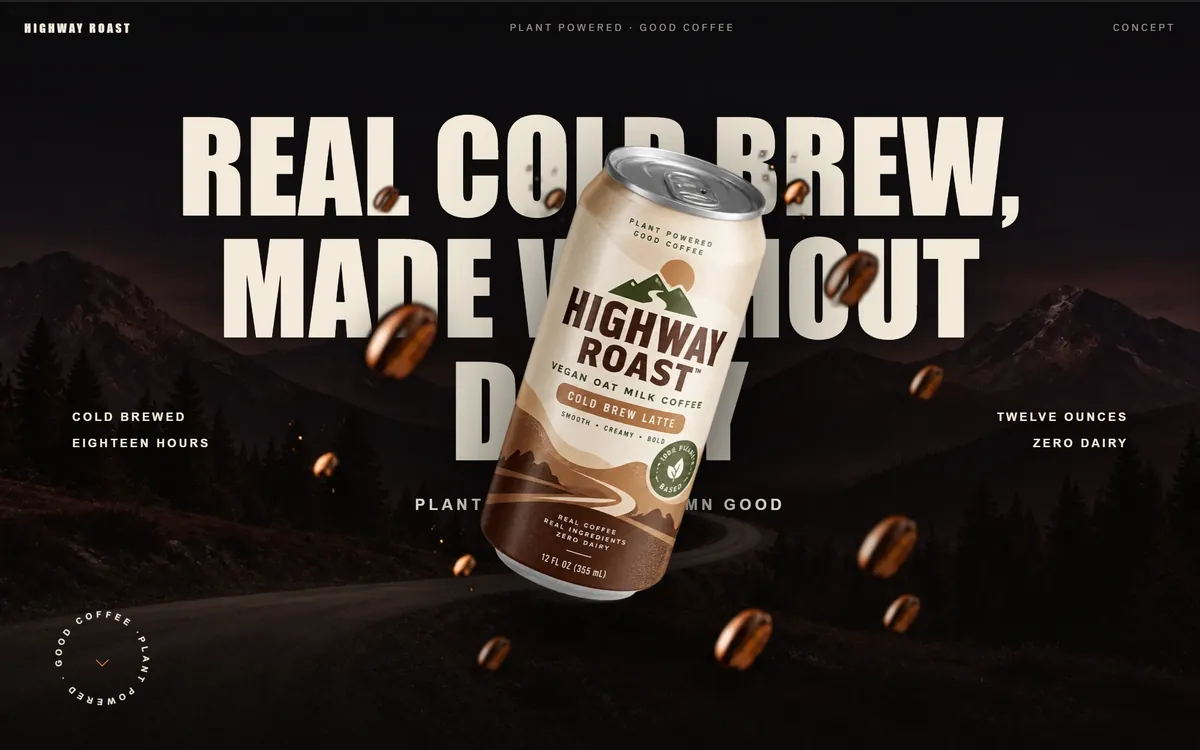
Invented and suggestive names are easier to protect than plain descriptive ones. A coined word like Heliora gives you a short, clear list of results to read. A name built from two everyday words, like Highway Roast, is the opposite: you will find many look-alikes, and the owner has less to stand on if a dispute comes. The first lesson in this series explains the five kinds of names. A descriptive name is not forbidden. It just needs a more careful search.
Check 3: the web address
Go to any domain registrar, the companies that sell web addresses, and type your name into the search box. Check the .com first, since it is the one people type by default. If it is taken, open it. A live business with your name is a stop sign. A parked page or an empty site may mean the address is for sale, though the price can be high.
Also check:
- Common misspellings of your name, which a competitor or a stranger could own.
- The name with a hyphen or a number. It is a last resort, because people forget both.
- The name plus your city or your trade, such as the name followed by "plumbing".
Special characters cause trouble. Accents, the tilde in ñ and apostrophes do not work well in web addresses and email. Éclore Paris, one of our concept designs for a perfume house, keeps the accent in its name on the page, but anyone typing the address will expect plain letters. Decide on one plain spelling for the web address and use it everywhere online.

Owning a domain does not give you rights to the name, and owning the rights does not give you the domain. They are separate, so you need both.
Check 4: social handles and Google
Look for your name on the networks your customers use: Instagram, Facebook, TikTok, YouTube, LinkedIn and X. You want the same handle on all of them. If the exact one is taken, add one short word and use it everywhere, such as your city or your trade. Do not mix versions, because customers will tag the wrong account.
Then search Google for your name in quotation marks, with and without your city. Check the first two pages and the map results. Ask one question: if a customer in my city typed this name, would they land on someone else? If the answer is yes, choose a different name. Finally, say the name to a Spanish speaker and to an English speaker and ask what it suggests, so you do not end up with a meaning you did not intend.
How to read your results
Keep a one-page record of what you searched, the date and a screenshot of each result. It takes ten minutes and gives you proof of what you found if anyone ever questions your choice. Then sort the name into one of three groups.
- Green. Nothing close in your field or your area. The domain or a close version is available, and your handles are free or nearly free. You can go ahead.
- Yellow. A similar name exists in an unrelated industry or another state, or the domain is taken but unused. Pause, adjust the name with a word that sets it apart, and ask a trademark attorney if you plan to grow or sell across the country.
- Red. The same or a very similar name is used in your field or your area, or a live federal record covers a close name for similar services. Drop it. The sooner you drop it, the cheaper it is.
When in doubt, treat yellow as red. Another good name is always out there, and a dispute costs far more than a new idea.
How to protect your name once you choose it
Choosing the name is half the work. These steps make it yours, in this order.
- Register the business. Form an LLC or a corporation, which registers the name with your state, or file a DBA if you trade under a name that is not your legal one. A DBA tells the public who is behind the name, but it does not create a separate company, does not protect your personal assets and does not give you exclusive rights to the name. An LLC or corporation name keeps another company from registering the same name in your state, but it does not shield you from a trademark claim.
- Buy the domain. Do it the day you decide. Consider the most common misspelling too.
- Claim the handles. Take them on every network, even the ones you will not use yet.
- Use the name the same way everywhere. The spelling, the capital letters and the logo should match on your website, invoices, signs and profiles. Steady use is what builds rights over time.
- Keep proof of first use. Save the date of your first sale, your first invoice, your launch announcement and screenshots of your website. If someone disputes who used the name first, those records matter.
- Use the right symbol. The ™ symbol can go next to your name at any time. The ® symbol is only for names registered with the USPTO, and using it early is improper.
- Think about federal registration. Registering with the USPTO gives you rights across the country, a public record that discourages copycats and the ability to enforce your rights in federal court. You apply online and pay a fee for each class of goods or services. It takes months, not weeks, and the examiner may raise objections. Many owners hire a trademark attorney, especially when they plan to sell beyond one state. A registered mark also needs maintenance filings at set points to stay alive.
- Watch for misleading mail. Once your application is public, you may receive official-looking letters or emails that ask you to pay for registration or monitoring. Many are not from the government. Official USPTO emails end in @uspto.gov, but scammers copy them, so check any request against your own application account.
Your name and your website
Your name appears more on your website than anywhere else: in the header, in the title Google shows, in the footer, on your contact forms and in your Google Business Profile. When we build a site, we use your name exactly the way you give it to us, spelled the same on every page. We are not a law firm, so the registry and trademark checks stay with you or your attorney. Once the name is settled, you can start your site and tell us how it should read.
Questions people ask
How do I check if a business name is already taken?
Search your state's business registry, usually on the Secretary of State website. Then search the USPTO trademark database, a domain registrar, the social networks and Google. Check county records too if you will use a DBA.
Is it free to search for a business name?
In most cases, yes. State registry searches and the USPTO's Trademark Search are free, and so are Google and social media. A few states charge a small fee, and registering the name always costs money.
Does an LLC protect my business name?
Only partly. It stops another company from registering the same name in your state. It does not stop someone else from owning a trademark in that name, or from using it in another state.
What is the difference between a DBA and a trademark?
A DBA is a public filing that lets you trade under a name that is not your legal one. A trademark is a legal right to a name, logo or slogan that identifies your goods or services. A DBA does not give you trademark rights.
Can two businesses have the same name in different states?
Yes, because state registries are separate. But a business with a federal trademark, or one that used the name first in your area, may still stop you. Check both before you commit.
Do I need to trademark my business name?
No, it is optional. You can use a name without registering it, and your use creates some rights in your area. Registration adds nationwide rights and stronger proof. It makes the most sense if you plan to grow, sell online across states or build a brand you may sell one day.
How much does it cost to trademark a name?
The USPTO charges a filing fee for each class of goods or services, plus extra charges if the application is incomplete or uses custom wording. Fees change, so read the current fee schedule on the USPTO website. Attorney fees are separate.
How long does it take to register a trademark?
Expect many months, and often a year or more if the examiner raises objections. You can use ™ while you wait. Do not use ® until the USPTO registers the mark.
What if a similar name exists in a different industry?
It may be fine, especially when the products and the customers are far apart. It is riskier if the other name is famous, or if your business might move closer to theirs. When in doubt, ask a trademark attorney.
What should I do if I already use a name that someone else owns?
Stop and get legal advice before you spend more on signs and marketing. Changing the name early is far cheaper than a dispute later.
Want a website that does all of this? Start your site