What to give in exchange for an email
A good offer gives people a reason to join and tells you who they are. Here are the ideas that work, how to choose one and what to avoid.
People do not hand over their email address for nothing. They do it when they expect something worth more than the effort of typing it. This lesson shows what to offer, how to match the offer to your business and your best customer, how to deliver it and what to avoid.
People trade an address for something worth more
When a visitor types an email address into your sign-up box, they give you something. They give you space in their inbox, a little trust and a bit of attention. So the box has to promise something in return.
The simplest promise is the emails themselves: useful news, tips or offers, on a schedule. For some businesses, that is enough. For many, a clear gift at the start makes more people say yes. In this lesson, we call it an offer, and in marketing it is often called a lead magnet. The name is fancy. The idea is simple: a reason to join.
The offer should attract the right people
An offer does two jobs. It gets people to join, and it tells you who they are. A gift that has nothing to do with your business brings people who love gifts. A gift that is close to what you sell brings people who may want to buy.
Think about a bicycle maker. A giveaway of a gift card to any winner brings a crowd that wants a gift card. A short guide called "How to choose your first steel bicycle" brings people who are thinking about buying a bicycle. The second list is smaller, and it is far more useful.
So start from your customer. What question do they ask right before they buy? What worry do they have? An offer that answers it is almost always a good offer.
Ideas that work, by type of offer
A welcome code
For shops, a welcome code is the most familiar offer. The visitor joins and receives a code for a first order. It is easy to explain, and it gives people a reason to buy soon.
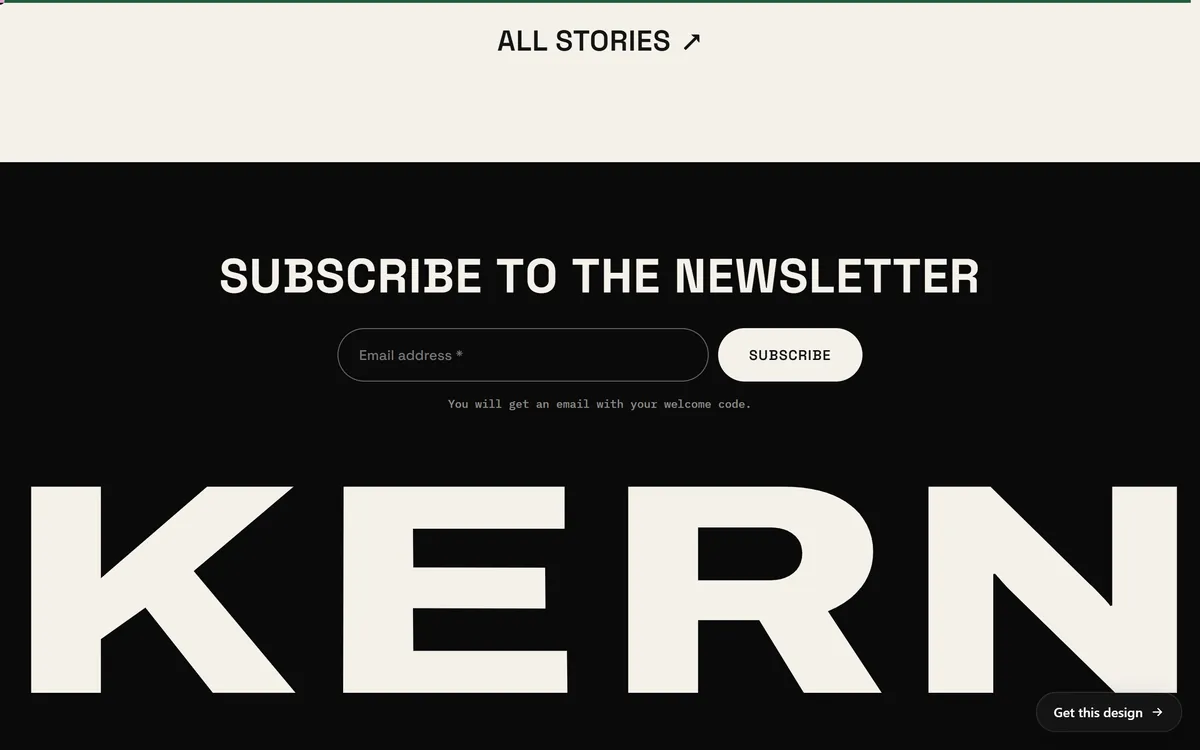
Choose an amount you can afford, one that still leaves you a profit on a first order. State the conditions in plain words, such as the minimum order and the end date. If there are conditions, do not call the offer free.
A useful guide or checklist
This is the best choice for many service businesses. A one or two page guide that solves one small problem works better than a long book that nobody opens. A landscaper can offer "What to do in your yard before the first frost." A dentist can offer "Questions to ask before choosing a family dentist." A solar installer can offer "Seven questions to ask before you sign."
Keep it short, practical and well designed. It should be something your customer is glad to keep.
A report, a calculator or a quote
When the offer is worth a lot, you can ask for more information in return. A personalized report, a calculator result or a detailed quote is worth more than a checklist, so people accept a longer form.
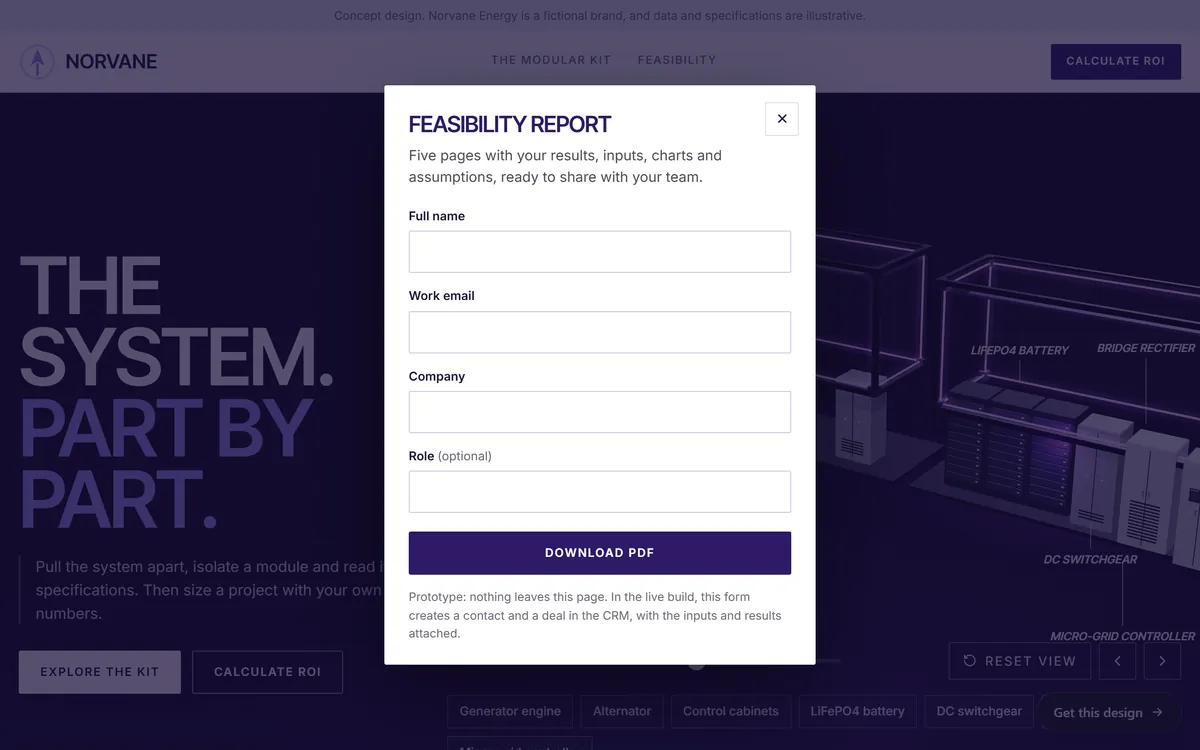
This kind of form is common in businesses that sell larger projects. The report helps the visitor make a decision, and it tells the company who is interested.
A free experience: a visit, a tasting or a test
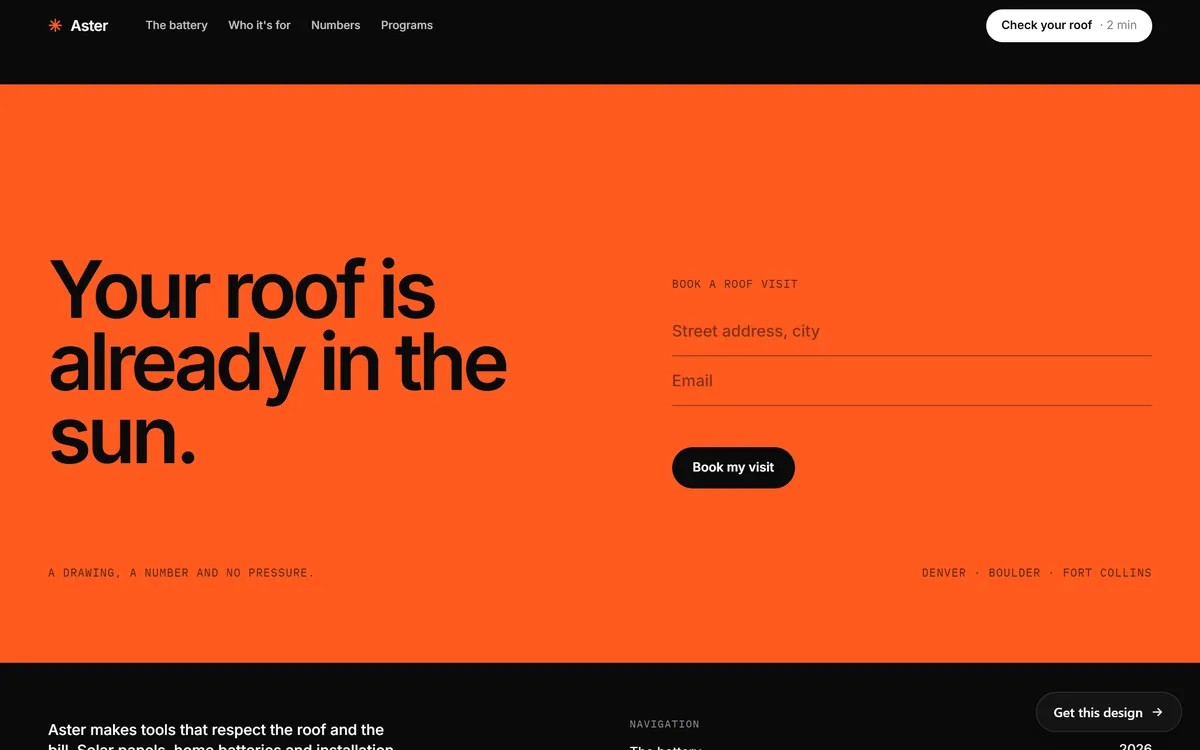
For businesses that sell something people want to try, the offer can be the trial. A test ride, a tasting, a site visit or a consultation lets the customer see for themselves, and it needs only an email address to get started.
Early access and members' news
Some people join to be first. Offer a heads-up before a new product goes on sale, early booking for a busy season, a restock alert or an invitation to an event. This costs you very little and it speaks to your most interested customers.
A short email course
A mini course by email, with three to five short lessons over a week or two, builds trust. It suits consultants, trades and teachers. The first lesson goes out right after sign-up, and each one points to a next step.
A tool or a template
A maintenance calendar, a seasonal planner, a recipe card or a pricing worksheet can be a good gift. It is something the person uses again and again, and your name stays in front of them.
How to choose your offer
Ask yourself these questions in order.
- What does my best customer ask or worry about just before buying?
- What small thing could I give that helps with that question?
- Does it lead naturally to what I sell?
- Can I deliver it without doing work each time?
- Does it fit my business and my voice?
Then test the idea. Describe it to five customers and ask: would you join to get this? If they hesitate, change the offer. It is much cheaper to learn that before you build it.
A worked example
Say you run a small coffee roaster. Your best customer asks, "Which beans should I buy for my home machine?" A good offer answers that: "Find your roast, a one-page guide to beans for every kind of home coffee maker." It costs you an afternoon to write. It is useful to someone who is about to buy. It leads to your shop. You send it right after sign-up, with a short note about how often you will write. That is the whole formula.
Write the promise
The words around your sign-up box matter as much as the gift. Follow these rules:
- Say what it is. "Get the frost checklist" is clearer than "Join our newsletter."
- Say what happens next. "We will email it to you right away."
- Make the button match. "Send me the checklist" works better than "Submit."
- Say how often you will write. A line such as "Then one email a month" sets expectations.
- Keep promises you can keep. Do not claim the gift will double your sales, save you thousands or fix a problem for good. Describe what it contains.
Show the offer where people decide
An offer only works if people see it at the right moment. Put it on the page where a visitor is already thinking about the problem. A checklist about frost belongs on your lawn care page. A welcome code belongs near the products and in the footer. A report belongs next to the tool that creates it. On your home page, one clear offer is better than five.
Offline works too. Print the offer with a QR code on a flyer, a receipt, a menu or a van. Say what people get in one line, and make the code open a page that matches that line.
Deliver the gift right away
The moment after sign-up is when the person is most interested. Do not make them wait or hunt.
- Send the first email at once, with the gift or a link to it in the first lines.
- Make the link open easily on a phone, with no login and no extra form.
- If the gift is a PDF, keep the file small and put your name and website on it.
- Tell people to check the spam folder if the email does not arrive, and to add your address to their contacts.
- Test the whole path yourself with a new email address before you publish the box.
A gift that never arrives costs you the trust of someone who was ready to like you.
Ask for only what you need
The more you ask, the more the offer must be worth. A rough guide:
- A welcome code or news: an email address is enough.
- A guide or a checklist: an email and, if you will use it, a first name.
- A report, a quote or a trial: a name, an email and perhaps a company or a city, because the person gets something personal.
Ask for a phone number only if you will call, and say so. Ask for a date of birth only if you will do something with it.
What to avoid
- A vague "sign up for updates." Nobody feels a pull to type an address for that.
- A giant prize for anyone. It fills the list with people who want the prize.
- A gift that costs you too much. Check the numbers before you promise.
- Hiding what will arrive. People who expect a gift and get a sales pitch will leave.
- Fake urgency. A countdown that restarts every day makes people doubt you.
- Promises of results. Describe what the person gets, not what it will do for their sales or their savings.
- Silence after the gift. Send your welcome email next, so the person remembers who you are.
- Selling the list. People gave you their address, and you may not hand it to others.
You may not need a gift at all
A gift helps most when people do not know you yet. If you already have loyal customers, a plain invitation may be enough: "Join the list for new arrivals and care tips." A clear promise and a low number of emails can do a lot.
You can test both. Run one version for a month, then the other, and compare how many visitors join. Keep in mind that a big gift can bring people who only want the gift, so look at how many of the new subscribers click and buy, not only at how many joined.
Measure what happens
Look at four things after the first month: how many visitors joined, how many clicked a link in your welcome email, how many wrote back and how many bought or booked. Open rates are a weak signal, a later lesson explains why. You can also ask new subscribers in your welcome email, "What made you join?" Their answers tell you what to offer next.
Offers and Good Sites Only
We write the texts of your pages from the answers you give us on day 1, and each stage has one round of changes, so the line that explains an offer can be adjusted until it sounds like you. Contact forms are included in every site. Email marketing can be added as a monthly service, and so can a landing page of the month. When you are ready to put an offer in front of visitors, you can start your site.
Questions people ask
What is a lead magnet?
A lead magnet is a gift you give in exchange for an email address, such as a checklist, a guide, a code or a report. It is a marketing term for a simple idea: a reason to join your list.
What is a good thing to give for an email address?
Something that answers a question your customers ask before they buy, and that you can deliver without extra work. For a shop, that is often a welcome code. For a service, a short guide or a checklist.
Should I offer a discount?
A discount works for shops, but it is not the only option. Choose an amount that still leaves you a profit, and state the conditions clearly. For service businesses, a useful guide or a free consultation often fits better.
Do I have to give something away?
No. A clear promise of useful emails can be enough, especially if people already know you. A gift helps most with people who do not know you yet. You can test both versions.
How long should a free guide be?
Short. One or two pages that solve a small problem are more useful than a long book that nobody reads. People should be able to use it within a few minutes.
What if I sell services and not products?
Offer knowledge or a first step. A checklist, a short guide, a free consultation, a quote or an answer to the question that your customers ask most. Pick the one that leads naturally to your service.
Can I ask for a phone number too?
Only if you will call, and say so on the form. Every extra field lowers the number of people who finish the form. For an email gift, the address alone is usually enough.
Is a giveaway or a contest a good way to get subscribers?
It can bring many addresses fast, but many of those people only want the prize and may leave soon after. Contests also have legal rules that vary, so ask a professional before you run one. A gift that is close to your business usually brings better subscribers.
How do I deliver the gift?
Send it in the first email, as a link or an attachment, right after sign-up. Many email services can send that first message automatically. Test the whole path yourself so you know it works on a phone.
Can I call my offer free?
If it is free, say so plainly. If there is any condition, such as a minimum purchase or an end date, say that too. Clear terms build trust, and unclear ones can cause trouble.
Want a website that does all of this? Start your site