Subject lines that get opened
A subject line is a promise, and the email has to keep it. Learn eight simple rules, patterns that work and how to read results without trusting opens.
The subject line decides whether your email gets opened. It has a few words and one job: tell the reader what is inside and why it is worth their time. This lesson shows how to write subject lines that are clear, honest and specific, how to use the sender name and the preview text, and how to test them without trusting open rates too much.
The subject line is a promise
A subject line makes a promise, and the email has to keep it. If the subject says "Your table is booked" and the message is a sale, the reader feels tricked. People who feel tricked unsubscribe, or they mark the message as spam.
The law says the same thing in its own way. The Federal Trade Commission, which enforces the CAN-SPAM rules, states that the subject line must accurately reflect the content of the message. A later lesson covers those rules. For now, remember the simple version: say what is inside.
What people see before they open
Before a reader opens anything, the inbox shows three things in a single row:
- The sender name. Who is this from?
- The subject line. What is it about?
- The preview text. The first words of the message, shown after the subject.
On a phone, you see only the first few words. That is why the most important words must come first. A subject such as "Spring tune-up spots open this week" works even if the end is cut off. A subject that starts with "A quick note from our team about" does not.
Eight rules for clear subject lines
- Say what is inside. The reader should know what they will get before they open.
- Put the key words first. The start is what survives on a small screen.
- Keep to one idea. Two topics in one subject line confuse people.
- Be specific. A date, an item, a place or a number beats a general phrase. "Our spring menu starts Thursday" says more than "Exciting news."
- Write the way you talk. If you would not say it to a customer, do not write it.
- Keep it short, but not cryptic. Six to nine words is a good guide. A subject that is too short can say nothing.
- Match the page it opens. The words in the subject should appear again where the reader lands.
- Keep a steady voice. Readers learn what to expect from you.
Clear beats clever
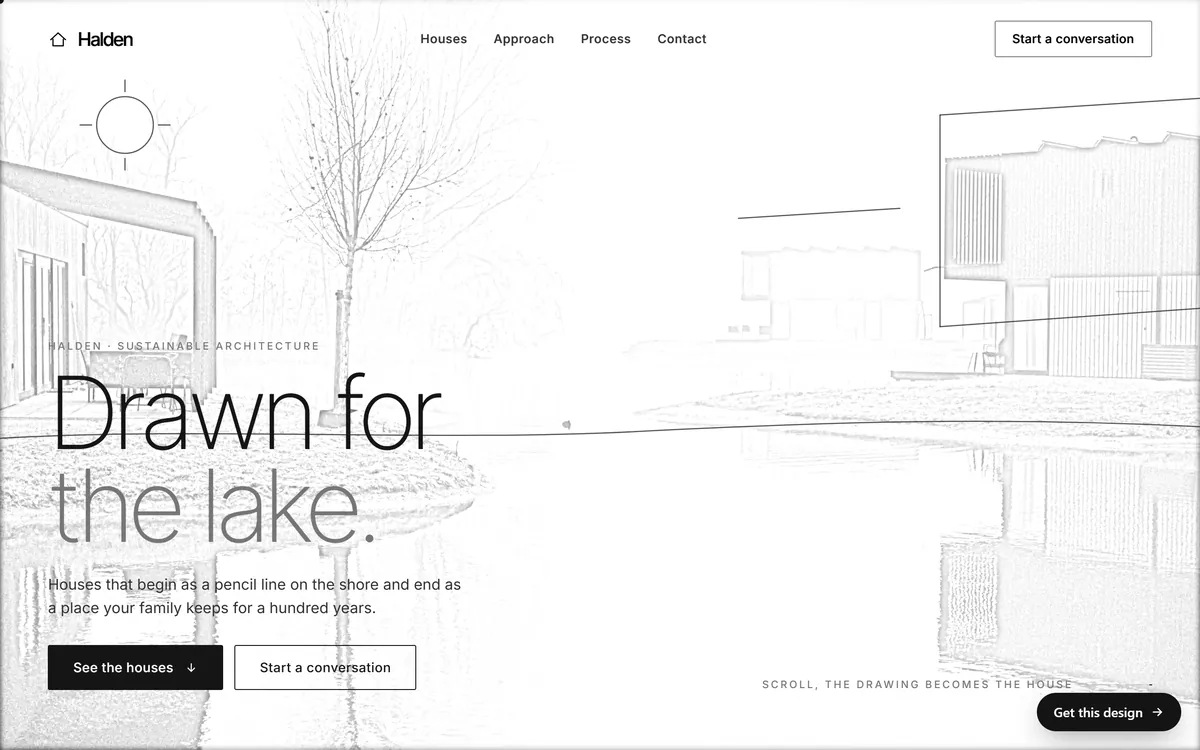
Poetic lines work well on a page, where a picture and a layout explain them. A line such as "Drawn for the lake" is lovely over a pencil drawing of a house by the water. In an inbox, there is no drawing. The subject line has to carry the meaning alone, and a reader who is deleting twenty emails will not stop to solve a riddle.
This does not mean subject lines must be dull. A little warmth and a touch of personality are welcome. But if you have to choose, choose clear.
Formulas that work for small businesses
These patterns are easy to adapt. Each one tells the reader what is inside.
- The news: "Our spring menu starts Thursday."
- The how-to: "How to tell when your bike needs a tune-up."
- The question: "Is your roof ready for solar panels?" Use questions your readers really ask.
- The confirmation: "Your visit is booked for Saturday at 11."
- The gift: "Your welcome code is inside."
- The story: "Why we start roasting at five in the morning."
- The list: "Five questions to ask before you hire a painter."
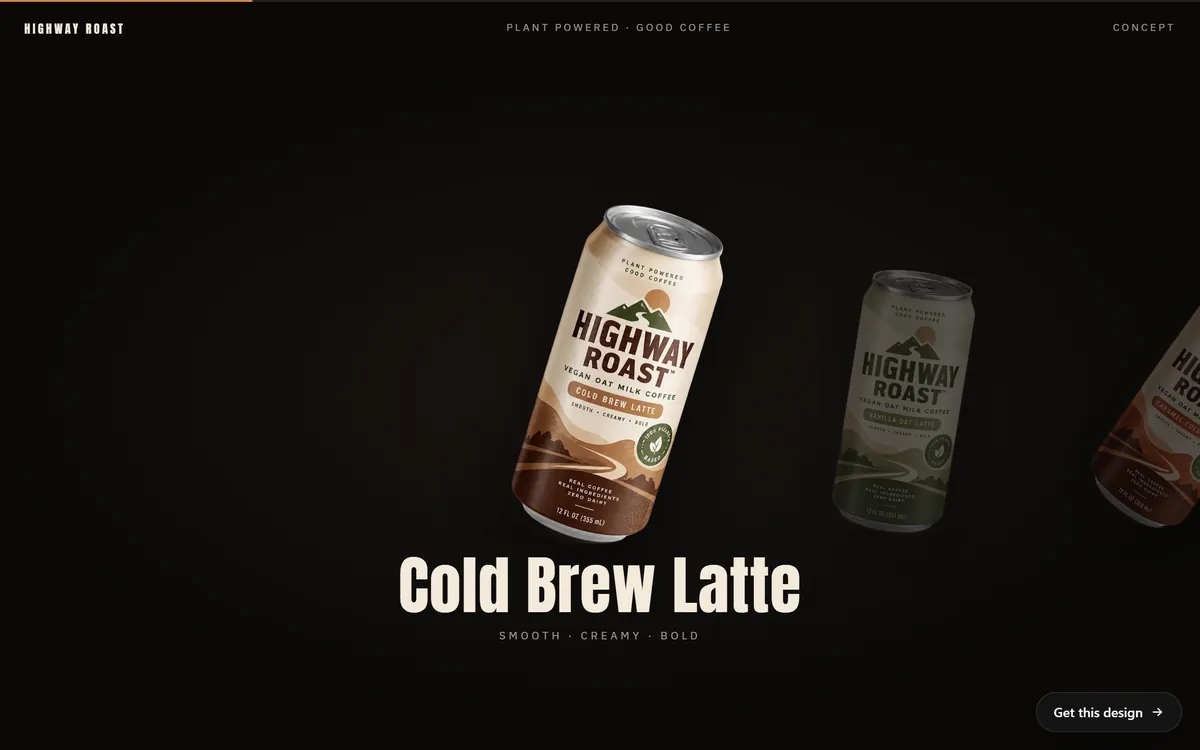
- The new item: "New this week: cold brew latte." Name the product.
Before and after
Weak subject lines are usually vague. Here are five rewrites that replace a vague phrase with something specific.
- "Newsletter number 12" becomes "Three tips for your spring yard."
- "Exciting news from our team!!!" becomes "We are now open on Sundays."
- "Don't miss out" becomes "Booking closes Friday for the May tours."
- "Hello" becomes "Your welcome code is inside."
- "A quick update" becomes "New hours starting June 1."
In each case, the new line tells the reader what the email is about before they open it. That is the whole trick.
The sender name matters as much as the subject
Many people decide on the sender before they read the subject. They open emails from names they know. Use a name that people recognize: your business name, or a person and the business, such as "Ana at Heyday." Keep it the same every time.
Avoid generic senders such as "info" or "admin," and avoid a "no-reply" address. A real name and a reply address that works tell people that someone is on the other side.
Preview text is your second subject line
Most email programs show the first line of the message next to the subject. If you do nothing, that line may say "View this email in your browser," which wastes the space. Your email service lets you set the preview text on purpose.
Use it to add to the subject, not to repeat it. If the subject is "Three signs your bike needs a tune-up," the preview might say "And a few spring spots in the workshop." Together, they tell a fuller story.
Subject lines for each kind of email
Different emails have different jobs, and their subject lines should reflect that. Here is one example for each type:
- Welcome: "Welcome to Maple Kitchen, and your first tip."
- Confirmation: "Your table is booked for Friday at 7."
- Reminder: "See you tomorrow at 7."
- Thank-you: "Thank you for coming."
- Review request: "How was your visit?"
- Win-back: "It has been a while. Here is what is new."
- Newsletter: "April at the workshop: three things to know."
Service messages, such as confirmations and reminders, should be the plainest of all. People look for them, and they want to find them fast.
Words and habits that cause trouble
- Shouting. All capital letters and rows of exclamation marks look like spam, and readers treat them that way.
- Fake replies. A subject that begins with "Re:" or "Fwd:" when nobody replied or forwarded anything is deceptive.
- Clickbait. A tease that the email does not pay off teaches people to ignore you.
- Empty promises. "The best offer ever" says nothing and nobody believes it.
- Misleading personalization. Do not pretend to know someone you do not.
Spam filters look at many signals, and no single word decides the outcome. There is no magic list of forbidden words. Permission, a good sender reputation and honest content matter more than any trick.
Emojis are optional. One that fits your brand can add a little warmth, and many readers will not notice it. Test before you rely on them, and skip them if they do not suit your business.
Use personalization with care
A first name in the subject can help, if your data is correct. It backfires when the name is missing and the email says "Hello ," or when the name is wrong. Test with a few contacts before you send to all of them. A local detail, such as the neighborhood or the city, can feel more natural than a name.
Use urgency only when it is real
A real deadline helps people act: "Booking closes Friday." A fake one costs you trust. If you say "last day" every week, readers stop believing it. Keep urgent language for moments when the clock is real.
Match the subject to the page
The subject line is the start of a path. The email is the middle, and the page the reader lands on is the end. Each step should say the same thing. If the subject says "Five colors, mixed in house," the button should say something like "See the colors," and the first screen of the page should show the colors.
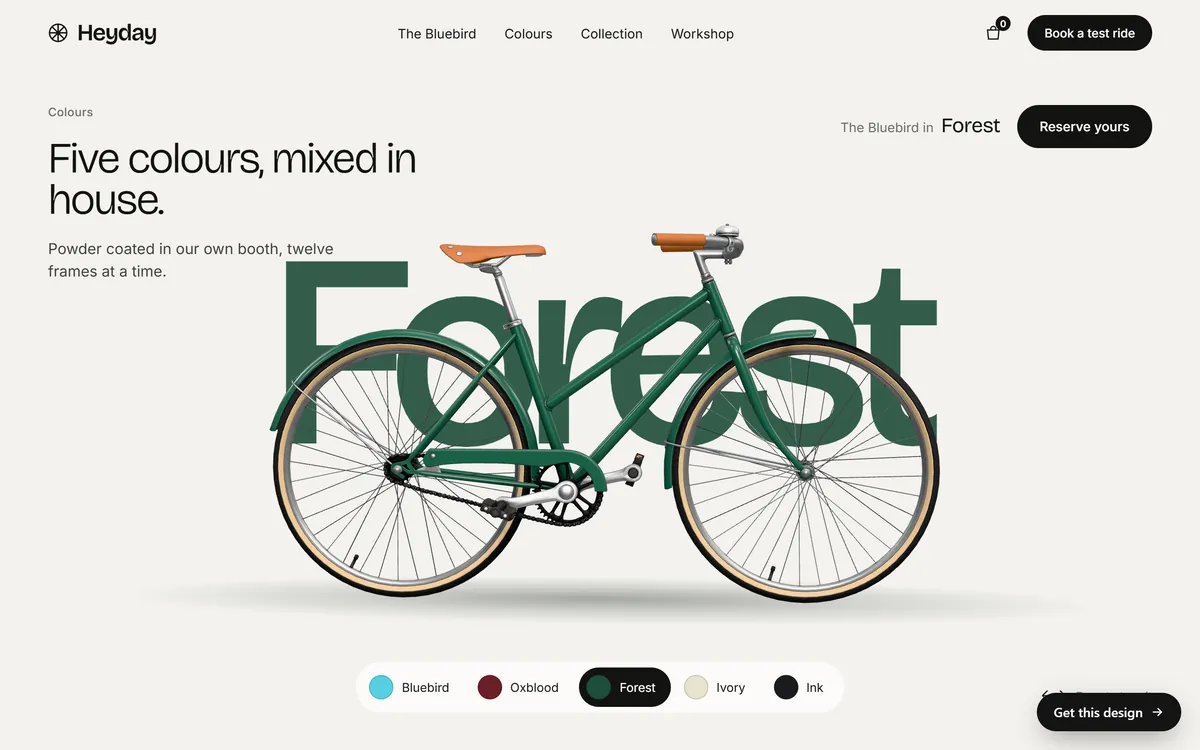
When the path breaks, people leave. Link to the exact page, not to your home page, and check it on a phone.
How to test subject lines
Many email services offer an A/B test. You write two subject lines, the service sends each to a part of your list, and you compare the results. A few tips:
- Test one thing at a time, such as short against long or a question against a statement.
- Test big differences. Tiny changes rarely show up in the results.
- With a small list, results are noisy. Treat them as hints, not as proof.
- Look at clicks and replies, not only at opens.
- Keep notes. After ten issues, patterns appear that a single test would never show.
Open rates are less reliable than they used to be
An open is counted when a tiny, hidden image in the email loads. Since Apple introduced Mail Privacy Protection, the Mail app can load that image automatically for people who turn the feature on, even when they never read the message. So an email can be counted as opened when nobody opened it, and your open rate can look better than the truth.
For that reason, do not build decisions on open rates alone. Watch what happens after the open: clicks, replies, bookings and sales. Use opens, if at all, as a rough trend inside your own list over time, and never compare your number with someone else's. Some email tools now separate out these automatic opens, and your service may too.
A subject line checklist
- Does it say what is inside?
- Are the key words at the start?
- Is there only one idea?
- Would I say it to a customer?
- Does the page it opens say the same thing?
- Is everything in it true?
If you can answer yes to all six, send it.
Subject lines and Good Sites Only
An email works best when it leads to a page that keeps its promise. A landing page of the month can be added as a monthly service, and so can email marketing. No one can promise opens, clicks or sales, and we do not. When you are ready, you can start your site.
Questions people ask
How long should a subject line be?
Short enough to read on a phone without being cut off, which often means about six to nine words. Put the important words first. Being clear matters more than hitting a number.
Should I use emojis in subject lines?
They are optional. One emoji that fits your brand can add warmth, but many businesses do fine without them. Test with your own list and skip them if they feel out of place.
What is preview text?
It is the first line of your message, shown next to the subject in the inbox. You can set it on purpose in most email services. Use it to add to the subject, not to repeat it.
Do capital letters or exclamation points hurt?
Overusing them makes a message look like spam, and readers react to that. A normal sentence with normal punctuation reads as trustworthy. Save emphasis for the rare moment that needs it.
What is a good open rate?
There is no reliable single number. It varies by industry and by list, and since Apple introduced Mail Privacy Protection, open counts can be inflated. Pay more attention to clicks, replies and bookings.
Should I use the recipient's first name?
It can help when the data is correct, and it hurts when it is missing or wrong. Test with a few contacts first. A local detail can feel more natural than a name.
How do I avoid the spam folder?
Send only to people who asked for your emails, use a real sender name, keep your content honest and make unsubscribing easy. Filters weigh many signals, so no single trick guarantees delivery.
Can I test my subject lines?
Yes. Many email services have an A/B test: two subject lines, each sent to part of your list. Test one change at a time and read the results as hints, especially with a small list.
Are questions good in a subject line?
They can be, when they ask something your readers really wonder about, such as "Is your roof ready for solar panels?" Avoid vague questions that only tease, because they teach people to ignore you.
Is it OK to use urgency?
Only when it is real. A true deadline helps people act. A fake one, repeated every week, makes readers stop believing you.
Want a website that does all of this? Start your site