Reviews, referrals and repeat customers
Customers who come back and tell a friend are the base of a small business. Learn to ask for honest reviews, invite referrals and keep people close.
A customer who comes back and tells a friend is worth more than a stranger who visits once. This lesson covers three things that bring people back: honest reviews, referrals and a few habits that keep customers close. You will also see the rules about reviews, from the FTC and from Google, so you ask the right way.
Customers who come back are the base of a small business
A returning customer already knows what you do and has decided to trust you. Keeping that person usually takes less effort than finding a new one, and a happy customer also helps you find more. They write a review, they tell a neighbor, they come back next season.
Three habits feed this cycle. You ask for reviews, so that new people can see proof from others. You invite referrals, so that happy customers bring people like them. And you give people reasons to return, so that one purchase becomes many. None of this can be promised to work for every business, but all of it is within your reach.
Reviews: why they matter
Before they choose a restaurant, a plumber or a dentist, many people read what other customers say. A review is proof that comes from someone other than you, which is why it carries weight. Reviews also give you feedback you would not hear otherwise.
The most important thing about reviews is that they must be real. A short list of honest reviews is worth more than a long list that looks too perfect.
When and how to ask for a review
Ask at a good moment
Ask when the customer has just had a good experience: after a job is done, a meal is finished or a package arrives. A few days later, when the memory is fresh, works well too. Do not ask in the middle of a problem.
Make it easy
The easier the step, the more people take it. Give a direct link to the page where you want the review, and add a QR code on a receipt, a card or a counter sign. If it takes more than two taps, many people will give up.
Ask every customer
Ask everyone, not only the people you think are happy. Asking only the satisfied ones is called review gating, and it is against Google's rules, as the next section explains.
Keep the words simple
Here is an example you can adapt: "Thank you for coming. If you have a minute, a review would help other people find us. Here is the link. We welcome honest feedback of any kind." Send one message, and at most one reminder.
If you plan to ask by text message, remember that texts follow different rules from email. A previous lesson explains why you should ask a professional first.
The rules about reviews
Two sets of rules matter here. Both aim to keep reviews honest, and both can affect a small business that cuts corners. Nothing here is legal advice, and for legal questions you should ask a professional.
What Google says
Google's policy for reviews on Maps and on business profiles says that reviews should reflect a genuine experience. Among the things it does not allow:
- Offering cash, discounts or free products or services in exchange for a review, or for changing or removing a negative one.
- Paying for reviews, whether in money or in kind.
- Discouraging negative reviews, or selectively asking only happy customers for reviews.
- Reviews written out of a conflict of interest, which can include current or former employees.
Google says you may encourage honest reviews, as long as you do not offer incentives or try to influence the rating or the content. It also advises against pressuring customers to review while they are in your shop, and against asking for specific wording. Reviews that break the policy can be removed, and accounts can be restricted.
What the FTC says
The Federal Trade Commission adopted a rule against fake reviews, announced in August 2024. As the FTC describes it, the rule bans:
- Fake or false reviews and testimonials, including ones written by someone who does not exist or who never used the product, and including those generated by artificial intelligence.
- Offering payment or other incentives tied to reviews that express a particular sentiment, positive or negative, whether the condition is stated openly or only implied.
- Insider reviews, for example from managers or relatives, that do not clearly disclose the connection to the business.
- Review sites that a business controls but presents as independent.
- Stopping or removing negative reviews with groundless legal threats or intimidation, or claiming that the reviews on a page show all or most of them when negative ones were hidden.
- Buying or selling fake social media followers and views to look more influential, when the buyer knows or should know they are fake.
The rule lets the FTC seek civil penalties from those who break it knowingly. The simple summary is this: collect real reviews from real customers, let them say what they think and do not pay for a particular opinion.
Reply to every review
A reply shows that someone is listening, and future customers read your replies as well as the reviews. Reply to good reviews and to bad ones.
- To a good review: thank the person by name and mention something specific. "Thank you, Maria. We are glad the tune-up got you back on the road."
- To a bad review: stay calm, thank the person for telling you, say you are sorry that the visit fell short and offer a way to talk offline. "We are sorry about this. Please call us at the shop or write to us so we can make it right."
Do not argue in public, do not blame the customer and do not reveal private details about them. You cannot delete an honest review you dislike, but a calm answer can win back the reader.
A worked example: one tough review
Say a customer writes: "Waited forty minutes for my order and nobody said sorry." A weak reply argues: "We were busy that night." A good reply takes it in and offers a path: "Thank you for telling us, and we are sorry about the wait. That is not the visit we want you to have. Please write to us at the address on our contact page, so we can talk about what happened and make it right."
It is short, calm and public. The next reader sees a business that listens, and that matters to people deciding where to go.
Show real reviews on your site
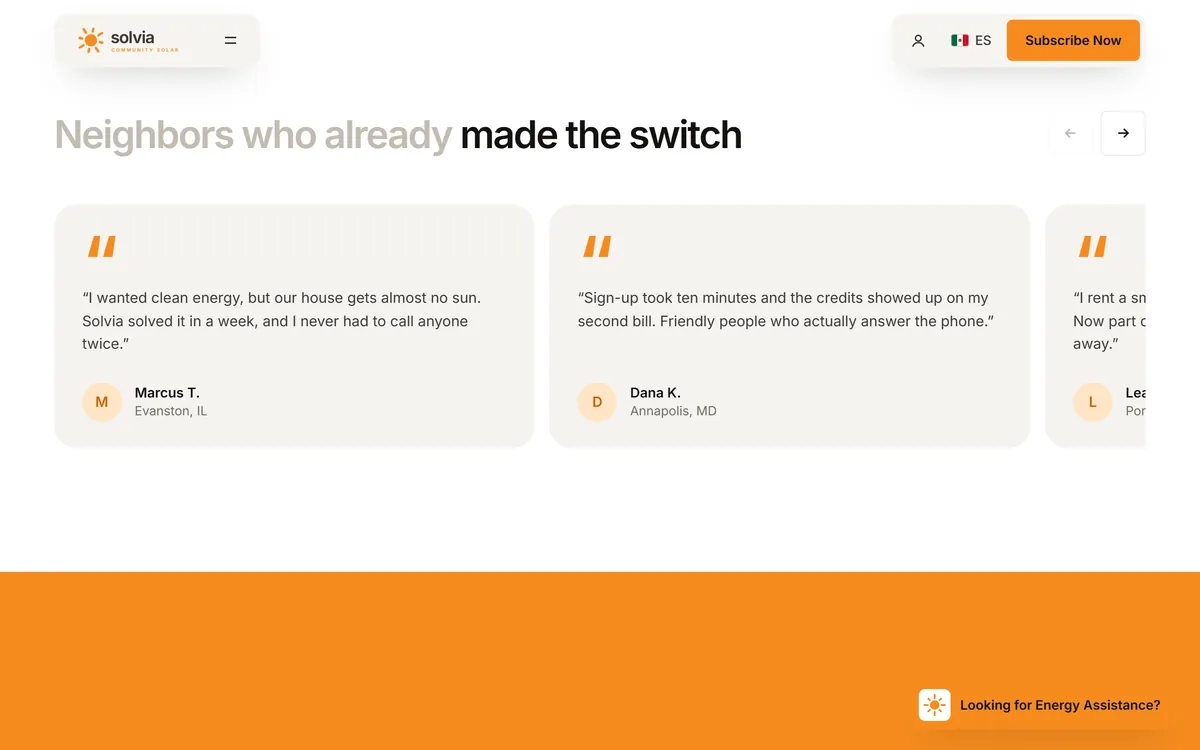
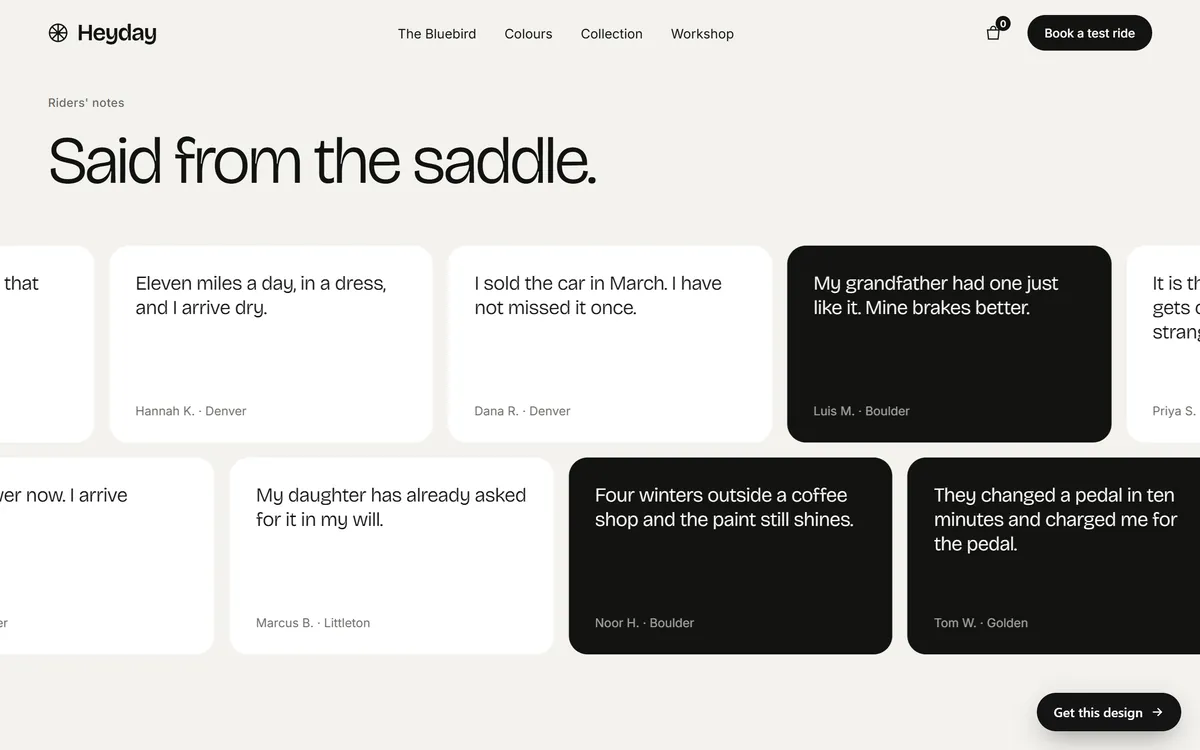
Your website is a good place for customer comments, because visitors are deciding there. Use real comments, word for word, with the customer's permission for a name and a city. Do not polish, shorten to change the meaning or invent them. If you show a selection, say it is a selection or link to the full set. Do not suggest that a page shows all your reviews when it does not.
Referrals: ask, make it easy and say thank you
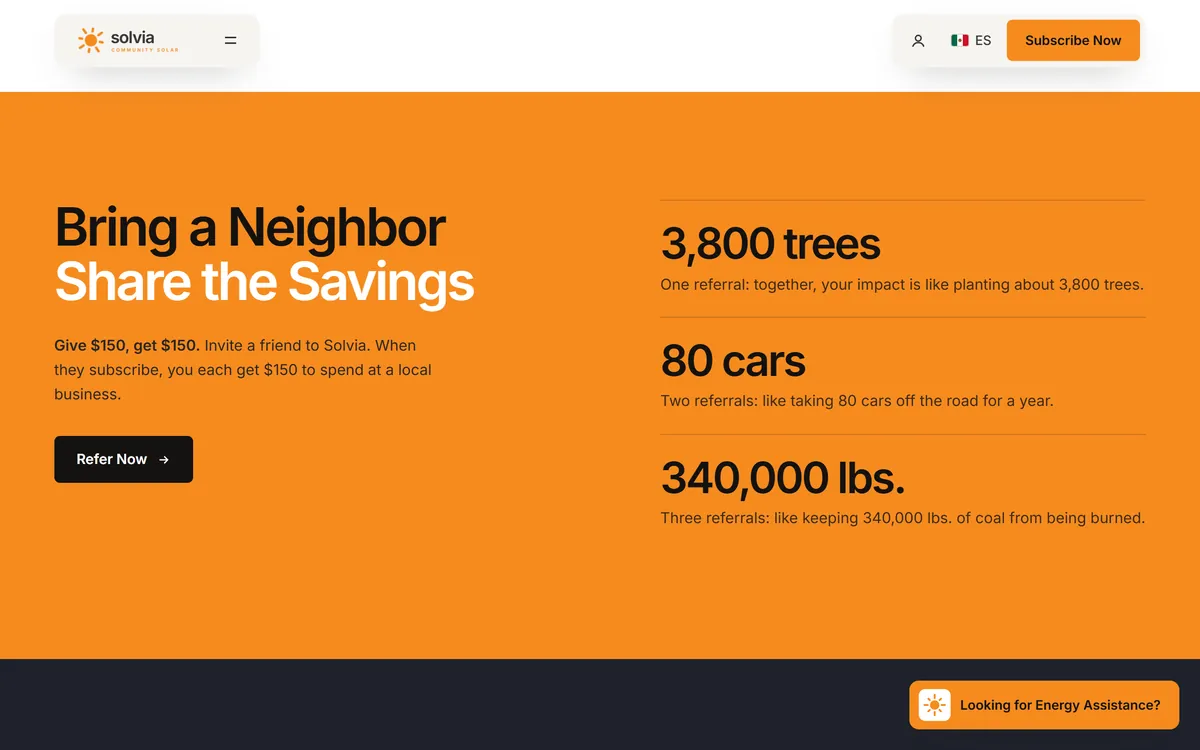
A referral is a recommendation from one person to another. It is often the strongest kind of introduction, because it comes from someone the new customer already trusts.
- Ask at the right moment. The best time is right after a great result, when the customer is pleased. "If you know someone who could use this, we would love to meet them."
- Make it easy. Give the customer a link to share, a card to hand over or a short message they can forward.
- Say thank you. A personal note is enough for many people. You can add a small thank-you gift for a referral if it suits your business.
- Keep referrals and reviews apart. A reward for a referral is different from a reward for a review. Never tie a reward to a review.
Give people reasons to come back
Reviews and referrals help you find new customers. These habits help you keep the ones you have.
- Follow up. A thank-you after the visit and a short check-in a few days later show you care.
- Remind people when it is time. Many businesses have a natural cycle, such as a yearly check or a seasonal tune-up. A reminder email is welcome when it is useful.
- Make rebooking easy. Put a booking link in every email and in every receipt.
- Keep your promise after the sale. Repairs, care and support give customers a reason to return.
- Remember people. Keep short notes about what each customer bought or prefers, in your booking tool or a simple list. Using them shows attention.
- Offer simple perks. Priority booking, a small thank-you after a number of visits or early news about new items are easy to keep up.
- Fix problems quickly. A customer whose problem is solved well often ends up more loyal than one who never had a problem.

Measure repeat business in a simple way
You do not need complicated tools. Once a month, write down how many customers bought or visited more than once, how many new reviews you received and how many people came through a referral. Compare each month with the same month last year. The trend tells you whether your habits are working.
A simple routine
- Every week, ask the customers who just had a good experience for a review.
- Reply to each new review within a few days.
- Thank every person who sends you a referral.
- Once a month, look at your numbers and your reviews and note what customers praise and what they complain about.
- Every season, update your reminders and your follow-up messages.
Reviews, referrals and Good Sites Only
When we prepare your site, tell us about the real customer comments you have, and they can be part of the content we write and place with you. Each stage has one round of changes. Review requests can be added as a monthly service, and so can Google Business management. No one can promise a number of reviews or sales. You can see how customer comments appear in different industries in our designs.
Questions people ask
How do I ask customers for reviews?
Ask when the experience is fresh, make it easy with a direct link or a QR code and keep the request short and friendly. Ask every customer, not only the happy ones, and do not offer anything in exchange for a review.
Is it OK to ask for reviews by email?
Yes. A short, personal email a few days after a visit works well. Text messages follow different rules, so ask a professional before you use them for marketing.
Can I give a discount or a gift for a review?
No. Google does not allow offering cash, discounts or free products or services in exchange for a review. The FTC's rule also bans incentives tied to reviews that express a particular opinion. Keep reviews and rewards separate.
How do I respond to a negative review?
Stay calm, thank the person for the feedback, say you are sorry that the visit fell short and offer to talk offline. Do not argue in public or reveal private details. Your reply is read by future customers.
Can I remove a bad review?
Not just because you disagree with it. Honest reviews, even harsh ones, stay. If a review breaks the platform's rules, you can report it. Do not threaten the reviewer, because the FTC's rule bans using groundless legal threats to remove negative reviews.
Are fake reviews illegal?
The FTC adopted a rule in 2024 against fake and false reviews, including ones created with artificial intelligence, and it can seek civil penalties from those who break it knowingly. For questions about your own situation, ask a professional.
What is review gating?
It means asking only happy customers to leave a review, or steering unhappy ones away from the review page. Google's policy does not allow selectively soliciting positive reviews, so ask everyone.
How many reviews do I need?
There is no magic number. Real, recent reviews that show a range of experiences matter more than a count. Ask steadily and keep replying to what people write.
Where should I show reviews?
Show them where visitors decide, such as your home page, your service pages and near your booking or contact area. Use real comments exactly as written, with permission for names, and do not claim to show all your reviews if you are showing a selection.
What is a referral program?
It is a simple way to ask customers to recommend you, often with a thank-you for the customer who refers. You can start with a personal request and a link to share. Keep referral rewards completely separate from reviews.
Want a website that does all of this? Start your site