How much a website costs in 2026
Prices run from a few hundred dollars a year to tens of thousands. Here are 2026 market ranges, why they vary and how to compare quotes fairly.
How much does a small business website cost in 2026? The honest answer is anything from a few hundred dollars a year to tens of thousands, depending on who builds it, how big it is and what it has to do. This lesson gives market ranges from 2026 price guides, explains what makes the price go up or down, lists the costs people forget and shows you how to compare quotes. We do not list our own prices here. The figures below come from published guides, and many of those guides are written by companies that sell websites, so read them as directions, not as a price list.
The short answer: market ranges in 2026
Sources disagree on exact figures, but they agree on the order: a do-it-yourself builder is the cheapest, a freelancer comes next and a studio or agency costs the most. Here are the ranges that 2026 guides give, rounded.
- Do it yourself with a builder. Typical business plans run from about $16 to $40 a month when billed yearly, which is roughly $200 to $500 a year. Stores and advanced features cost more.
- A freelancer. One-time prices of about $1,500 to $8,000 for a custom site of five to eight pages, with hourly rates quoted from $50 to $150.
- A studio or an agency. Several guides put most professional small business sites between about $3,000 and $15,000. Sites with stores or custom features often start at $15,000 and can reach much higher.
- A domain name. Most .com renewals run about $10 to $20 a year, with tracked averages near $18. A few sellers charge far more at renewal.
- Hosting, if it is sold separately. One guide puts shared hosting at about $40 to $150 a year.
- Upkeep. Estimates vary widely. One guide estimates a typical small site at $500 to $2,000 a year, and another lists monthly care plans from about $150 to $500. The difference is what each plan includes.
These ranges change with the market, and some come from one source only. Before you decide, ask for current prices in writing.
What each level of budget usually buys
These are general patterns, not promises, and every provider is different.
- The low end. You do the work. You get a template, a small number of pages and the tools of the builder, and you spend your own hours on texts, photos and testing.
- The middle. A professional builds a custom or semi-custom site of a handful of pages, often with your help on texts and photos. This is where most small local businesses land.
- The high end. A larger team builds a bigger site with custom features, such as a store, booking or special tools, and often adds strategy, photography and ongoing work.
More money does not always mean better results. A clear, fast, honest site with a strong offer at the middle level often beats an expensive site with no clear message.
How providers price their work
- A fixed project price. One price for a defined list of pages and features. It is easy to compare, as long as the list is clear.
- An hourly rate. You pay for the time used. It can be fair for small changes, but it makes the final bill hard to predict.
- A price per page. Simple to understand. Check what a page includes, such as texts and photos.
- A monthly subscription. A single fee covers the site, its hosting and sometimes its upkeep. Check what happens if you stop paying.
Why prices vary so much
- Who builds it. Doing it yourself costs your time. A freelancer costs less than a studio, which has a team and a process. An agency costs the most, because of its overhead.
- How many pages. Every page needs text, photos, design and testing.
- Template or custom design. Adapting a ready design costs less than designing from a blank page.
- Who writes the texts. Good writing takes skill and hours. It is also one of the best investments on a site.
- Photos and video. Your own phone photos cost nothing. A professional photo session costs real money, and it shows.
- Features. Stores, booking systems, calculators, members areas and extra languages add the most work. More on this below.
- SEO setup. Page titles, descriptions, structure and speed take hours of work, and they matter.
- Animation and effects. Interactive effects take design, development and testing on many phones.
- Speed. Rush projects cost more, because they push other work aside.
- Revisions and meetings. Unlimited changes and many meetings raise the price, and a clear plan lowers it.
Features cost the most
A simple site with five pages and a contact form is the cheapest kind of website. Once you add tools, the work grows quickly. Here are three examples from our concept sites.
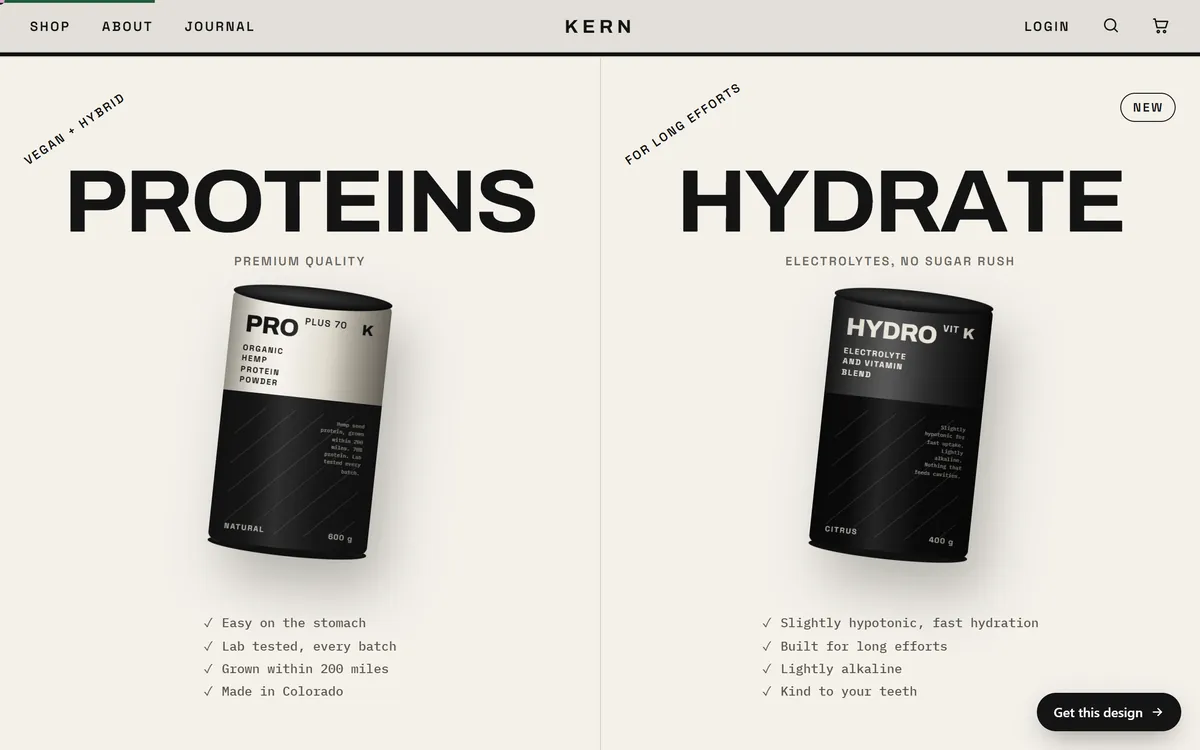
An online store
A store needs product pages, a cart, payment, shipping rules, tax settings, order emails and policies. Each part must be set up and tested, and it keeps needing care after launch.
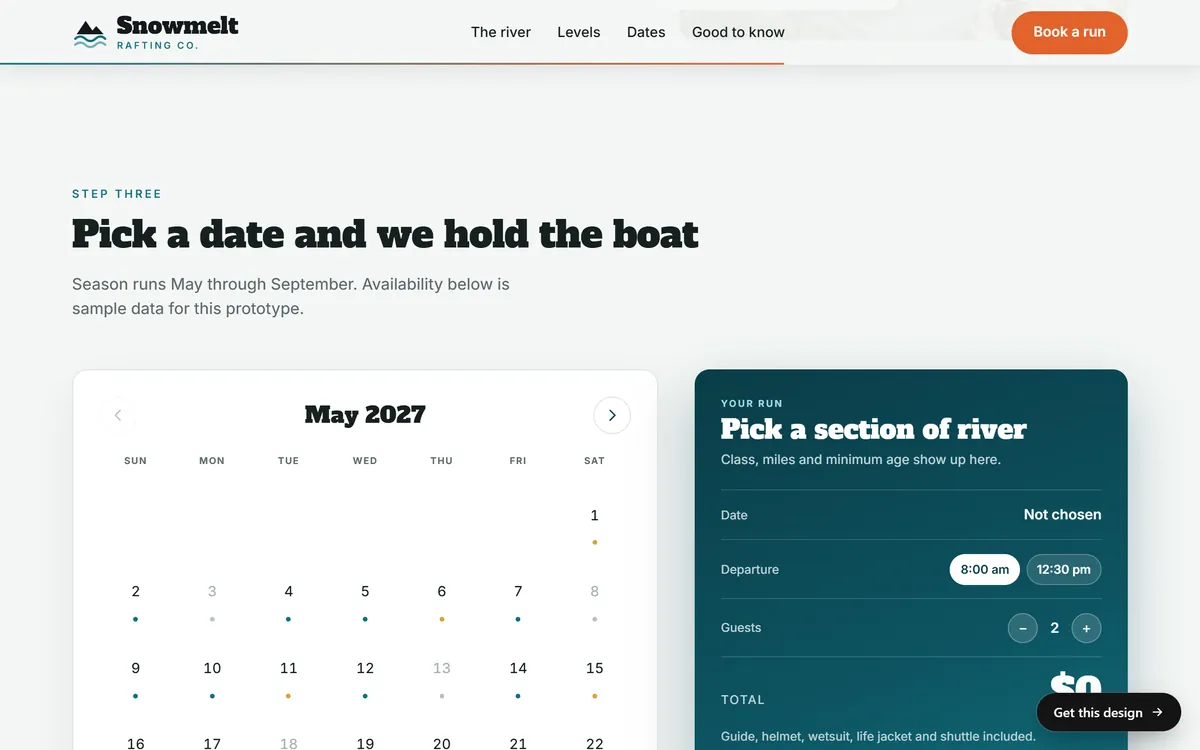
A booking system
Booking needs a calendar, rules for availability, a form that adds up the price and confirmations for the customer and for you. It has to work on a phone, and it has to be right, because mistakes cost you customers.
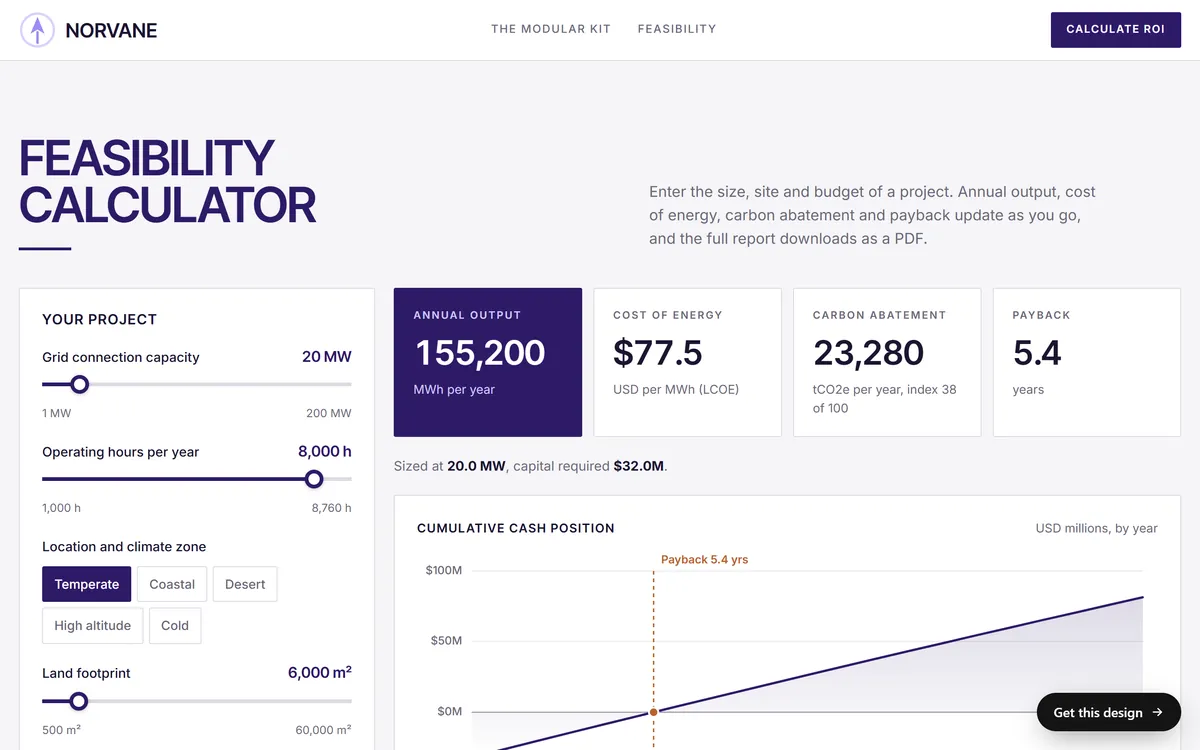
A calculator or a special tool
A calculator takes planning, design and development, and it needs to be checked with real numbers. It is the kind of feature that makes a site stand out, and it is priced as custom work.
Costs people forget
- Domain renewals. Check the renewal price, not only the first-year offer.
- Hosting. Included in some plans, separate in others.
- Professional email. Usually a monthly fee for each mailbox.
- Care and updates. Backups, security and software updates, or the time to do them yourself.
- Photos, logo and writing. If they are not part of the price, you will buy them separately.
- Add-ons and subscriptions. Booking tools, form tools, email tools and stock photos.
- Payment and transaction fees. If you sell or take bookings online.
- Legal pages. A privacy policy and, for stores, shipping and returns policies.
- Marketing. A site nobody visits is a bill without a return. Budget for being found, with search, a Google profile and, later, ads.
- Your time. Every hour you spend counts, especially on a do-it-yourself build.
- A redesign. Many businesses refresh a site every few years.
A first-year budget worksheet
Copy these lines onto a page, and ask each provider to help you fill in the numbers.
- Building the site, including texts, photos and revisions.
- Domain name, for the year.
- Hosting, for the year, if it is not included.
- Professional email, for the year.
- Care and updates, for the year.
- Tools and add-ons, such as booking, forms and email marketing.
- Photos, logo or writing that are not part of the build.
- Marketing to bring visitors, such as search work, a Google profile and ads.
Add the lines up, and divide the total by twelve. That monthly number is the real cost of having a website, and it is the one to compare with what the site brings you.
One-time price or monthly fee
You will meet two models. In the first, you pay a price once, own the result and pay extra for care if you want it. In the second, you pay a monthly fee that covers the site and its hosting, and sometimes updates, which makes it easier on cash flow. Neither is better by itself. Ask what happens if you stop paying: do you keep the site, the domain and your content? Then compare the total over three years.
How to compare quotes
Ask every provider to price the same list, and write down the answers.
- How many pages are included?
- Who writes the texts, and who chooses the photos?
- How many rounds of changes are included?
- Is the mobile version included and tested?
- Is SEO setup included, and what does it cover?
- Are forms and booking tools included?
- Is hosting included? Who owns the domain and the files?
- How long will it take?
- What support is included after launch, and for how long?
- What is extra, and how is it priced?
- What is the total for the first year, and for the second?
How to spend less without hurting your results
- Launch with fewer pages. Add more as the business grows.
- Use your own good photos. Replace them with professional ones later.
- Come prepared. A plan and your materials save hours of work, and hours cost money.
- Start from a design made for your industry. It costs less than a blank page.
- Add features later. A booking tool or a store can come in a second phase.
- Do not buy what you will not use. A blog you will not update is money wasted.
How to judge if a price is fair
Take what one new customer is worth to you in a year, and divide the first-year cost of the site by that number. The result is how many new customers the site must bring to pay for itself. With example numbers only: if a customer is worth $600 in a year and the first-year cost of a site is $3,000, the site pays for itself after five new customers.
Watch for warning signs at both ends. A price that is very low often leaves out texts, hosting, mobile testing or SEO setup, and you pay for them later. A price that is very high with a vague scope may hide extras. In both cases, ask for the list.
What we can tell you about our prices
We do not list prices in this lesson. What we can tell you is what our packages contain. They are sized by the number of pages: Basic up to 15 pages, Pro from 15 to 30 and Large more than 30. Every package includes hosting, a design made for your industry, texts written for you, a mobile version, SEO setup and contact forms. Monthly services, such as Care maintenance, Google Business management, email marketing, a 24/7 chat assistant, review requests and a landing page of the month, can be added when you want them. When you are ready to see how it works, start your site.
Questions people ask
How much should a small business spend on a website?
Spend according to what a new customer is worth to you and how much your site must do. A simple site can start in the low hundreds of dollars a year with a builder, while a professional custom site often costs thousands, according to 2026 price guides.
How much does a basic small business website cost?
For five or six pages, guides put a builder at about $200 to $500 a year, a freelancer at roughly $1,500 and up, and a studio at about $3,000 and up. Check what each price includes.
Why do website prices vary so much?
Because the work varies. Who builds the site, how many pages it has, whether the texts are written for you, what features it needs and how fast it must be done all change the price.
How much does it cost to build a website yourself?
A plan, a domain and any add-ons, which together may be a few hundred dollars a year, plus your time. Your time is often the largest cost, so count the hours too.
How much does a website cost per month?
A builder plan is typically about $16 to $40 a month when billed yearly. A studio may charge a monthly fee for hosting and care, or a one-time price for the build. Ask exactly what is covered.
What are the hidden costs of a website?
Domain renewals, hosting, professional email, updates and backups, photos and writing, add-on tools, payment fees, legal pages, marketing and your own time. Ask every provider for the total for the first and second year.
How much does a domain name cost per year?
Most .com names renew for about $10 to $20 a year, although some sellers charge much more at renewal than the first-year offer. Compare renewal prices, not only the promotion.
How much does website maintenance cost per year?
Estimates range widely. One guide puts a typical small site at about $500 to $2,000 a year, and another lists care plans at about $150 to $500 a month. The gap comes from what is included.
Is a cheap website worth it?
It can be, for a simple need. Check what is missing: texts, mobile testing, SEO setup, hosting and support. A cheap site that needs paid extras, or that cannot grow, may cost more in the end.
How much does an online store cost?
More than a brochure site. On builders, store plans sit on the higher tiers, and on custom builds the extra work is real. Guides place agency-built stores at $15,000 and up. Start with a few products, and grow.
Want a website that does all of this? Start your site