How to answer comments and messages
Replies are part of your service. Learn how to answer quickly, kindly and consistently, including when someone is unhappy.
Every comment, message and review is a customer talking to you in public or in private. How you answer is part of your service, and people notice. This lesson shows how fast to reply, what to say, how to handle unhappy customers and spam, and how to keep it all down to about fifteen minutes a day.
Replies are part of your service
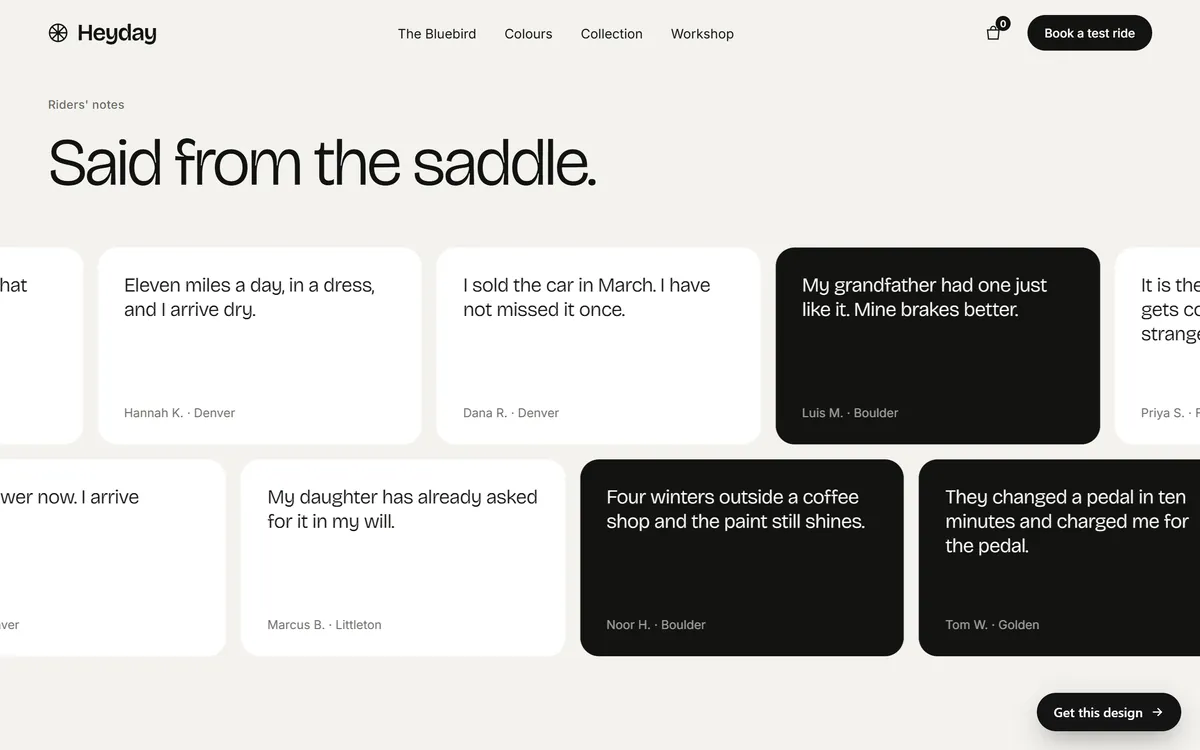
When someone writes "Do you have this in my size?" or "Are you open on Sunday?", they are a step from becoming a customer. A quick, friendly reply can close that step. A silence, or a reply three days later, sends them to the next business on the list.
Comments are also public. Other people read your answers, and they judge you by them. A kind reply to a hard question can win a customer you never talk to.
Know where the replies come from
Customers can reach you in several places. Make a list of the ones you use, so nothing goes unanswered:
- Comments on your posts and videos.
- Direct messages, the private chat inside each network.
- Reviews and recommendations, on your profile and in other places that show them.
- Mentions and tags, when a customer posts about you.
- Your website's contact form, your email and your phone.
Turn on notifications for the places that matter most, and check the rest at fixed times. If you work with a team, decide who watches which place.
Set a response time you can keep
Customers expect fast answers on social media. There is no official rule, so choose a promise you can keep. For most small businesses, a good goal is to answer the same day, or by the next morning at the latest. Put your hours in your profile, and if your network offers an away message for times when you are closed, use it to say when people can expect a reply.
A fast, short answer is better than a perfect answer that comes late. If you need time to find the answer, say so: "Thanks for asking. I am checking and will write back this afternoon."
Use the reply recipe: thank, answer, next step
Almost every good reply has three parts:
- Thank or greet. Use the person's name if you know it. "Thanks for writing, Maria."
- Answer. Give the information they asked for, in plain words.
- Next step. Tell them what to do or what you will do. "You can book at the link in our profile." "Send us a message if you have more questions."
Write the way you speak at the counter. Friendly, short and clear. Skip the corporate phrases.
Prepare answers to the questions you hear most
Most businesses get the same questions again and again. Write your answers once, and keep them in a document or in the saved replies of your network, if it offers them. Here are the common ones, with sample replies you can adapt:
- Hours and place. "We are open Monday to Saturday, 9 to 6. You can find us at 120 Main Street. Parking is behind the building."
- Price. "It depends on the size and the materials. Send us a photo and the measurements, and we will give you a price."
- Booking. "You can book at the link in our profile. If you prefer, call us at the number on our page."
- Availability. "Yes, we have it in your size. Would you like us to hold it for you until Friday?"
- Shipping or delivery. "We deliver within 20 miles. Tell us your zip code and we will check."
- Something you do not offer. "Thanks for asking. We do not offer that right now, but we can recommend someone who does."
These are examples. Replace the details with your own, and never promise something you cannot deliver. Add the person's name and a detail from their message, so the answer does not feel copied.
Reply in the language of the customer
If your customers write in English and in Spanish, answer in the language they used. Keep a short template in both languages for hours, booking and thanks. If you do not speak a language well, say so kindly, ask a teammate who does or use a translation tool, and read the result before you send it. Replying in someone's own language tells them they are welcome.
Move long or private conversations out of the comments
A public comment is not the place for personal details. When a conversation gets long or private, move it:
- To a private message, for a complaint, a quote or a booking. "Thanks for the question. I will send you a message so we can sort it out."
- To your contact form, when you need details such as a date, an address or a photo, and want them all in one place.
- To a phone call, when the problem is urgent or complicated.
Never ask customers to post or send card numbers, passwords, verification codes or government ID numbers in a comment or a message. Send them to a secure place, such as a payment page on your website or a phone call.
Answer negative comments calmly
Every business gets an unhappy customer. How you answer shows everyone who reads it what you are like. Follow these steps:
- Pause. Do not reply while you are angry. Read the comment twice. Take a walk if you need to.
- Thank them for telling you. "Thanks for letting us know."
- Be specific and sincere. If something went wrong, say you are sorry that the experience was not what it should have been. Do not blame the customer.
- Offer a next step. "Please send us a message with your order number so we can fix this."
- Move it to private. Details and solutions belong in a direct message or a call.
- Follow up. When it is solved, a short note in the public thread shows other readers that you care.
Do not argue, do not lecture and do not delete honest criticism, because deleting it can make things worse. Remove only spam, abuse and comments that break the network's rules, and use the tools the network gives you to hide or report them.
Reply to reviews too
Reviews are public, and people read them before they choose you. Thank people who leave good ones, in a sentence that adds something personal. Answer critical ones with the same calm steps as above. Never write reviews of your own business, and never ask staff or friends to do it.
Keep a friendly, human tone
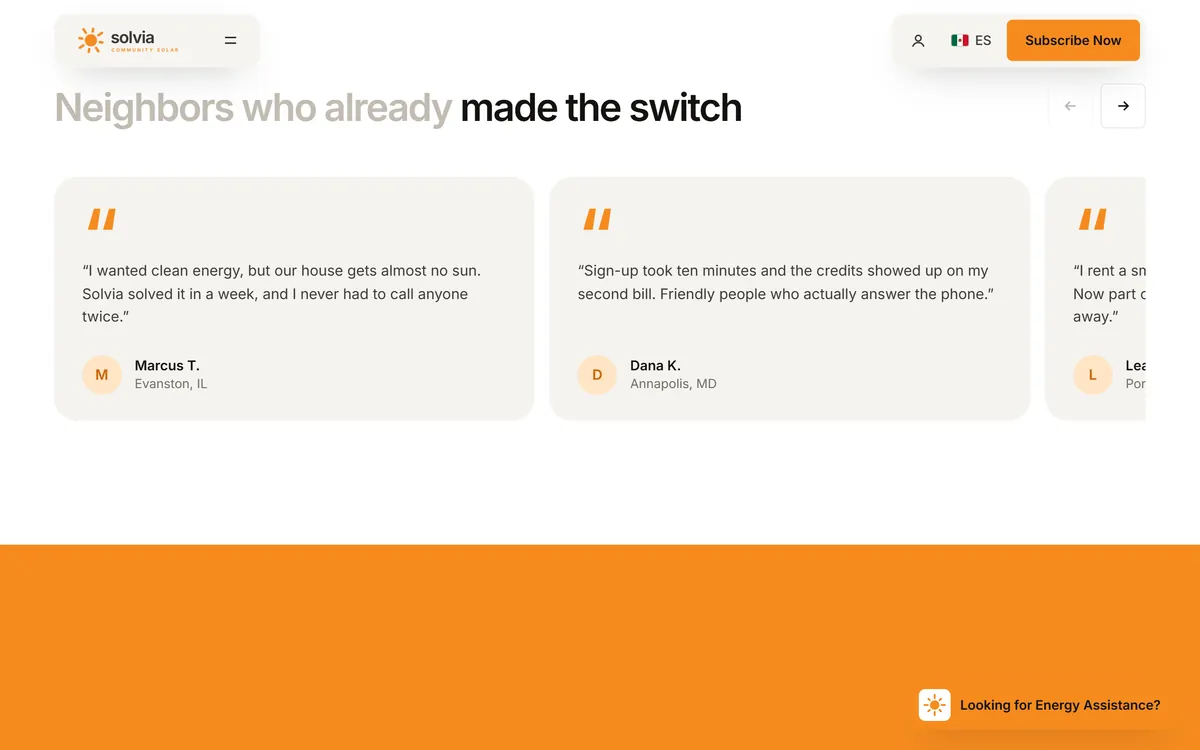
Your replies are your voice. Customers should feel that a real person, who is glad they wrote, is answering. A few habits help:
- Use the person's first name and one detail from their message.
- Keep sentences short, and avoid jargon and long legal phrases.
- Match their energy. If they write a joke, you can smile back. If they are upset, stay calm and serious.
- Never copy and paste the same reply to everyone in the same thread.
- Read the reply once before you send it. A typo is fine. A cold tone is not.
Handle tricky situations with care
- Someone shares private information in a comment. Ask them, kindly, to remove it, or hide the comment, and move the conversation to a private message.
- Someone states something false about you. Reply once, calmly, with the facts. Do not get into a long argument, and do not answer in anger.
- Someone asks for a discount or free work. Thank them, explain what you can do and keep the tone friendly. You do not have to say yes.
- Someone asks for advice you are not qualified to give, such as medical or legal advice. Say that you cannot advise on that, and suggest they ask a professional.
Write down what people ask
Keep a simple list of the questions you receive, with a mark each time one repeats. This list is gold. The most common question can become a post, a short video or an entry on your website's questions page. The questions that make people angry show where your service or your instructions need work. A few minutes of notes each week make the next planning hour easier.
Spot spam and scams
Business profiles attract spam. Learn the signs, so you do not click the wrong link:
- Messages that promise to get you thousands of followers, or sell you likes. (The last lesson in this series explains why you should say no.)
- "Urgent" warnings that your account will be closed, with a link to log in.
- Strange invoices, prizes and offers from people you do not know.
- Requests for a verification code, a password or a payment outside the normal channels.
Do not click. Do not reply. Block the sender and report the message in the app. If a message claims to come from the network, open the app yourself and check your notifications there.
Save time with a short daily routine
Answering does not have to take over your day. Try this routine, for about fifteen minutes in total:
- Morning (five minutes). Check messages. Answer the quick ones and mark the ones that need time.
- Midday (five minutes). Check comments on your latest posts. Reply to questions first, then to kind comments.
- Evening (five minutes). Check reviews and anything you marked. Close the day with nothing waiting.
If you have a team, share the routine and write down who handles complaints, refunds and special cases. Make sure everyone uses the same warm tone.
Give people an easy way to reach you on your website
Some questions are easier to answer when people can reach you outside the network. A contact form on your website collects the details you need in one message. When we build a site, contact forms and a mobile version are included. Email marketing and a 24/7 chat assistant are monthly services you can add. See our designs to find the look that fits your kind of business.
Questions people ask
How fast should I reply to comments and messages?
There is no official rule. A good goal for a small business is the same day, or the next morning at the latest. Say your hours in your profile so people know what to expect.
Should I reply to every comment?
Reply to every question and to as many kind comments as you can. A short thank-you, or a like, is enough for simple comments. It is fine not to answer every emoji.
How do I respond to a negative comment?
Pause, thank the person for the feedback, be specific and sincere, offer a next step and move the details to a private message. Do not argue or delete honest criticism.
Should I delete negative comments?
Not honest criticism. Remove spam, abuse and anything that breaks the network's rules. Answer the rest calmly, since the way you answer shows readers who you are.
How do I handle a complaint on social media?
Thank the customer, say you are sorry that the experience fell short and move to a private message or a phone call to solve it. When it is fixed, a short public follow-up shows that you care.
What should I do about spam comments and scam messages?
Do not click links. Block the sender and report the message. Never share a password or a verification code. If a message claims to come from the network, open the app and check there.
Should I talk about prices in the comments?
You can give a range or say how to get a quote. For details that depend on the job, ask the person to send a message or use your contact form.
Can I use automated replies?
Saved replies and away messages are fine when you use them to answer common questions or to say when you will reply. Add a personal touch, and follow up yourself. Do not pretend that an automatic answer is a person.
What if a customer writes in a language I do not speak well?
Reply kindly, ask a teammate who speaks it or use a translation tool, and read the result before you send. If you cannot help in that language, say so politely and offer another way.
How much time should I spend answering?
About fifteen minutes a day is enough for many small businesses, split into three short checks. More if you are busy, but keep the same rhythm.
Want a website that does all of this? Start your site